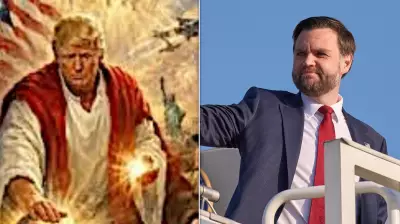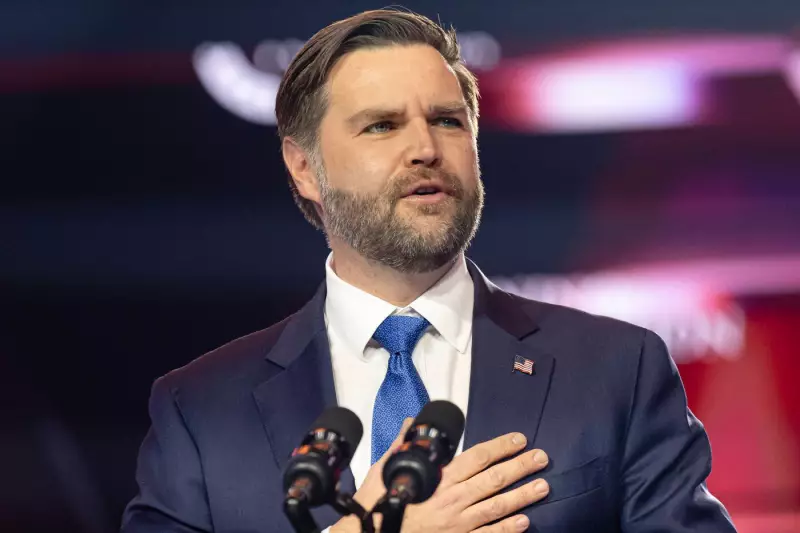
In a stark warning that has sent ripples across the North Atlantic, United States Senator J.D. Vance has declared that if Europe fails to take the security of Greenland "more seriously," the United States will be compelled to "do something about it." The statement, made on January 08, 2026, amplifies long-standing U.S. strategic interest in the vast, autonomous Danish territory and raises immediate concerns for allies in Canada and throughout the NATO alliance.
Alarm Bells for Arctic Allies
The senator's pointed rhetoric has not gone unnoticed in the region most directly affected. A Greenlander living in Iqaluit, Nunavut, has publicly expressed fears of a potential U.S. takeover, highlighting local anxieties about sovereignty and self-determination. Echoing this sentiment, a Greenlandic MP firmly stated that the "people of Greenland decide their own future," pushing back against the escalating takeover discourse emanating from some U.S. political circles.
For Canada, which shares close geographical and security ties with Greenland across the Davis Strait, the warnings represent a significant strategic concern. Analysts are questioning how seriously Ottawa should take what some are calling a "Donroe Doctrine," referencing the heightened U.S. posture. The situation presents a potential fault line within NATO, with one military expert bluntly warning that a U.S. move to forcibly take control of Greenland "would destroy NATO as a whole."

Historical Context and Contemporary Tensions
The current tensions are not without precedent. The Trump administration previously ramped up talk of buying Greenland, an idea that was swiftly rebuffed. The renewed focus underlines Greenland's immense strategic value due to its location in the Arctic, a region becoming increasingly contested as ice recedes and geopolitical competition heats up.
From a European perspective, a Danish parliamentarian sought to downplay any perceived threat, asserting there is "absolutely no threat to the U.S. from Greenland." This stance underscores a transatlantic divide in assessing both the risks and the appropriate responses to Arctic security dynamics. The debate forces a re-examination of defense commitments and sovereignty rights in the High North.
Broader Implications for Global Order
Senator Vance's ultimatum to Europe is more than a regional issue; it is a test of Western unity and the principles of multilateralism. The threat of unilateral U.S. action challenges the foundational cooperation within NATO and could destabilize long-standing diplomatic relationships. It also places the 56,000 inhabitants of Greenland at the center of a great-power debate about their homeland's future.
As Arctic waterways open and resource exploration advances, the geopolitical spotlight on Greenland will only intensify. The coming months will reveal whether Vance's comments represent political posturing or a genuine shift in U.S. policy that could redraw the strategic map of the Arctic and strain the bonds of its most powerful alliance.