In a dramatic internal move, Yemen's primary southern separatist council has expelled one of its prominent leaders and declared he will face charges of treason. The Southern Transitional Council (STC), a key anti-Houthi force in Yemen's complex civil war, announced the decision on January 7, 2026.
A Sudden Expulsion and Serious Allegations
The council did not immediately publicly name the expelled figure in its initial statement, but the action signifies a severe fracture within the secessionist movement. The STC's official pronouncement stated clearly that the individual now faces accusations of treason. This development points to deep internal divisions over strategy or alliances at a critical juncture in Yemen's prolonged conflict.
The STC, which controls much of southern Yemen including the temporary capital Aden, has been a crucial partner in the Saudi-led coalition fighting against the Iran-backed Houthi rebels. However, the council has also maintained its own goal of an independent southern state, a ambition that has sometimes caused tension with the internationally recognized government it is nominally allied with.

The Leadership and Regional Context
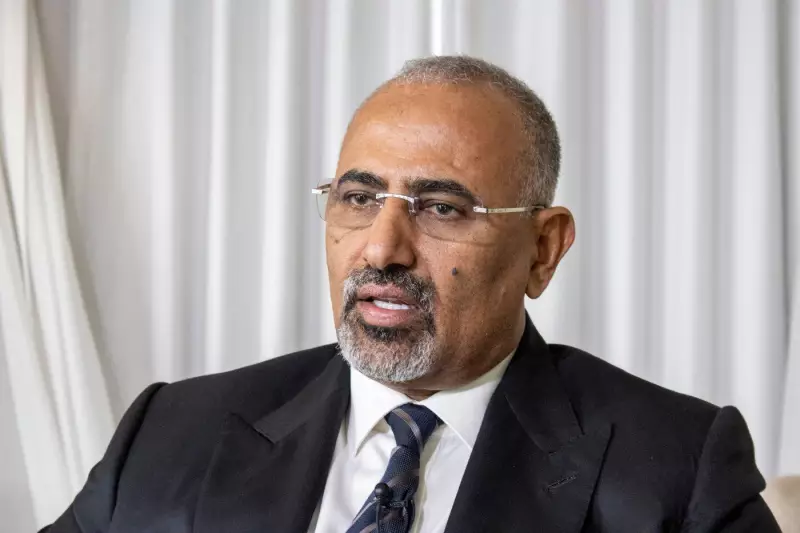
The Southern Transitional Council is led by President Aidarous Al-Zubaidi. Al-Zubaidi, a former government official and military leader, has been the public face of the southern cause, including representing the STC at international forums like the United Nations General Assembly in New York.
This expulsion comes amid a fragile and often stalled peace process in Yemen. While a formal ceasefire has largely held for an extended period, political negotiations have struggled to make substantive progress. Internal purges within major factions, such as this move by the STC, can further destabilize the situation and complicate diplomatic efforts.
Potential Repercussions for Yemen's Future
The charging of a senior separatist figure with treason is an explosive event that could have several immediate consequences:
- Internal Strife: It risks triggering violent infighting within southern ranks, diverting focus from the broader conflict with the Houthis.
- Coalition Dynamics: It may strain the STC's relationship with its coalition backers, particularly Saudi Arabia and the United Arab Emirates, who seek a unified anti-Houthi front.
- Peace Process Impact: Such internal fractures make negotiating a comprehensive national settlement even more challenging, as southern representatives may not present a unified position.
Analysts will be watching closely to see if this expulsion leads to a broader purge or realignment within the southern movement. The specific nature of the alleged treason has not been detailed publicly, leaving room for speculation about whether it involves clandestine negotiations with the Houthis, the recognized government in Riyadh, or other regional powers.
For the people of Yemen, already enduring one of the world's worst humanitarian crises, renewed political instability within major factions threatens to prolong their suffering and delay any durable peace.