The 'eat the rich' movement, which promises to increase taxes on high-income individuals to fund a substantial expansion of government programs, has made headlines. However, while these corrosive policy proposals may stir anger and identify easy scapegoats for the current economic malaise, they will only end in disaster.
NDP Leader's Proposals
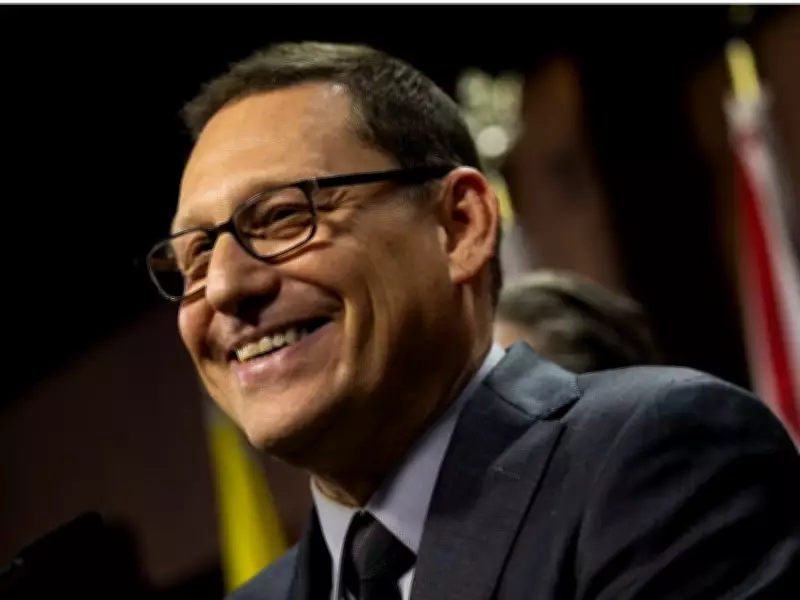
For example, new federal NDP Leader Avi Lewis wants to fund government grocery stores, build one million 'public' homes, introduce a guaranteed basic income, and provide 'free' tuition and public transit for all Canadians. To pay for all of this, he wants a 'wealth' tax and higher taxes on capital gains and businesses.
Similarly, New York City Mayor Zohran Mamdani has promised to open government-run grocery stores, eliminate fares on city buses, and provide universal child care for kids aged five and under. The mayor has also proposed property tax increases, a massive increase in the estate tax rate, higher business taxes, and income tax increases.

Why These Proposals Are Misguided
With these proposals, Lewis and Mamdani are misguided for several reasons. First, raising taxes on high-income earners is not the money train they claim. Individuals change their behaviour in response to tax hikes by relocating to lower-tax jurisdictions or tax planning to shift assets and minimize tax bills.
Consider an illustrative example from the United Kingdom. In 2010, the U.K. government increased its top personal income tax rate from 40% to 50%. According to the government, the tax increase would generate £2.5 billion in tax revenue, but a subsequent government report found it actually yielded £1 billion or less in additional revenue.
Eight of the 12 European countries that implemented wealth taxes since the 1990s have also since abandoned them due to disappointing revenue collections, questionable legal foundations, high administrative costs, and an exodus of capital.
Impact on Investment and Jobs
Here at home, when business owners, entrepreneurs, and investors make investments and take risks, they create jobs and drive innovation. Without private investment, Canadian workers lack the tools and technology needed to produce more and provide higher-quality goods and services. Consequently, wages and living standards stagnate.
And when tax increases push top talent (e.g., scientists, engineers, entrepreneurs) to go elsewhere and take their money with them, we lose out on their investments and tax revenue. The top 20% of income-earning families in Canada currently pay more than half (56.9%) of all taxes in the country. Put differently, this income group provides most of the funding for roads, pensions, education, health care, and national defence.
So, when professionals, business owners, entrepreneurs, and investors flee the country due to zealous policies, middle-income Canadians are left with huge tax bills to pay for a growing bureaucracy while their wages and living standards stagnate (or even decline) as jobs disappear and money flows elsewhere.
Contradiction in the 'Eat the Rich' Movement
Finally, there's a huge contradiction among the 'eat the rich' crowd. They blame high-income earners for society's ills, but also depend on that group to fund endless new spending. In other words, they can't pay for their government largesse without the very people they despise.
Eat the rich is a thoughtless slogan peddled to sow division. It's a worldview that's not only economically destructive but also contradictory. It might make a good slogan for a political speech, but it won't fill bellies or put more money in the pockets of Canadians.
Jake Fuss is director of fiscal studies at the Fraser Institute.