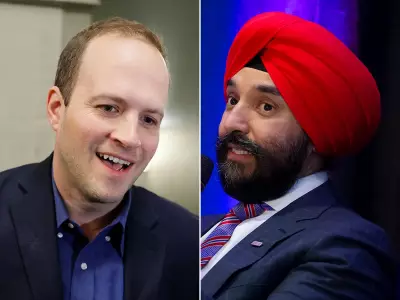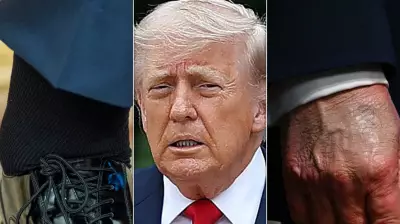
In a sharp critique of contemporary political rhetoric, economist William Watson dissects the fundamental difference between the economic concept of 'cost' and the newly popular political term 'affordability.' Writing on December 2, 2025, Watson argues that government interventions promising to make life more affordable often merely shuffle the bill rather than tackle the root causes of high prices.
The Dinner Tab Analogy: A Lesson in Who Pays
Watson illustrates his point with a simple analogy. Imagine going out for dinner where one person, perhaps a senior colleague or relative, picks up the entire tab. For the junior guest, the meal instantly becomes perfectly affordable. However, the actual cost of the dinner—what the restaurant charges to cover ingredients, labour, and overhead—remains unchanged. The only shift is in who bears the financial burden.
"You and I have simply rearranged who pays: I do, you don't," Watson writes. He contends this is precisely the mechanism behind many modern government policies. When childcare, dental care, or housing are deemed unaffordable, the political solution is often for the state to 'buy them for you.' While this may solve the immediate political problem of affordability for the recipient, it does nothing to reduce the service's fundamental cost. In fact, Watson suggests, government entry into a market can sometimes drive costs even higher.

From Econ 101 to PoliSci 101: A Shift in Focus
Watson notes that traditional economics education focused on costs, inflation, and market dynamics. The policy toolkit involved examining supply and demand: addressing union power, reducing trade barriers, loosening restrictive regulations, or adjusting macroeconomic policies like interest rates and deficits to manage demand.
He recalls the inflation battles of the 1970s, which were ultimately tamed not by affordability subsidies but by central banks tightening the money supply, a painful process that involved interest rates near 20% and significant recessionary periods. The modern political lexicon, however, has embraced "affordability" as a separate, often nebulous, concept detached from these foundational economic principles.
The Political Reality and a Warning
The columnist observes that despite claims our digital age is wholly new, the public's disdain for inflation remains a powerful constant. Voters are still quick to punish leaders who preside over rising prices, a reality Watson says even figures like Donald Trump recognize, as evidenced by his recent outreach to New York's mayor-elect Zohran Mamdani on the issue.
Watson's core argument is a call for clarity. He implies that a 'memorandum of understanding' is needed between the realms of economics and politics. Policymakers must distinguish between genuinely lowering costs through supply-side reforms or demand management and merely making costs appear lower by transferring them to taxpayers. The latter, he warns, offers only a temporary political fix while leaving the underlying economic problem unaddressed, potentially creating larger fiscal challenges for the future.