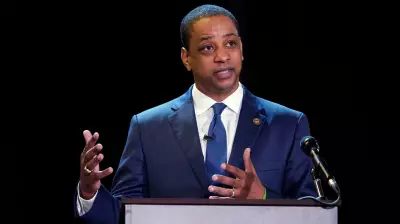
In a significant development for U.S. monetary policy, a nominee for the Federal Reserve has firmly pledged to prioritize the fight against inflation, even as former President Donald Trump intensifies his demands for interest rate cuts that economists warn could worsen inflationary pressures. This clash underscores a deepening divide over economic strategy as the nation grapples with persistent price increases.
Nominee's Commitment to Price Stability
The Fed nominee, whose background includes roles in financial oversight and economic analysis, emphasized the central bank's critical role in maintaining price stability during recent discussions. "Our primary focus must be on curbing inflation to protect the purchasing power of American households," the nominee stated, highlighting concerns over the long-term impacts of unchecked price rises on savings and economic growth.
Trump's Renewed Push for Lower Rates
Simultaneously, former President Trump has renewed his calls for the Federal Reserve to slash interest rates, arguing that such moves would stimulate economic activity and reduce borrowing costs. However, many economists caution that premature rate cuts could fuel inflation by increasing consumer spending and investment without corresponding supply-side adjustments, potentially derailing efforts to achieve the Fed's 2% inflation target.

This tension reflects broader debates over monetary policy's direction, with some policymakers advocating for a more aggressive stance against inflation, while others, aligned with Trump's views, prioritize growth stimulation. The nominee's stance signals a potential shift toward a more hawkish approach at the Fed, which could influence future rate decisions and financial market expectations.
Economic Implications and Market Reactions
The nominee's inflation-fighting pledge comes amid mixed economic indicators, including moderating but still elevated inflation rates and robust job growth. Financial markets are closely monitoring these developments, as the Fed's policy trajectory will impact everything from mortgage rates to corporate borrowing costs. Analysts note that a firm commitment to inflation control could bolster investor confidence in the central bank's independence, even as political pressures mount.
Meanwhile, Trump's demands echo his previous criticisms of Fed policy during his presidency, when he frequently urged for lower rates to support economic expansion. This ongoing dynamic highlights the challenges of balancing political influences with technocratic economic management, particularly in a highly polarized environment.
Looking Ahead: Policy and Political Ramifications
As the nomination process advances, the nominee's views on inflation and interest rates will likely face scrutiny from lawmakers across the political spectrum. The outcome could shape the Fed's composition and its approach to upcoming economic challenges, including potential recessions or supply shocks. With inflation remaining a top concern for voters, this issue is poised to play a pivotal role in upcoming policy debates and electoral campaigns.
In summary, the Fed nominee's vow to combat inflation, juxtaposed against Trump's rate-cut advocacy, sets the stage for a contentious period in U.S. economic policy. The resolution of this conflict will have far-reaching consequences for monetary stability, growth prospects, and the broader financial landscape in the years to come.