B.C. Conservatives Surge in Polls as NDP Support Declines Ahead of Leadership Vote
A recent Leger poll has uncovered a significant shift in British Columbia's political landscape, with the Conservative Party gaining ground while the governing New Democratic Party experiences a notable decline in support. The survey, conducted in early April, indicates that the Conservatives are building early momentum even before their leadership race concludes.
Poll Numbers Show Narrowing Gap
The poll reveals that the NDP maintains a narrow lead with 44 percent support among decided voters, but this represents a decrease from their peak of 48 percent last fall. Meanwhile, the Conservative Party has climbed to 40 percent support, marking a two-point increase since January. This gain comes largely at the expense of the now-defunct OneBC party, which saw its support drop from six percent to three percent.
Steve Mossop, vice-president of Leger, emphasized the significance of these findings. "There's an uptick in the Conservative vote even before we see the debates and leadership vote and the publicity that comes with a new leader," he stated. "If I was the NDP I'd be a bit worried about that. It's not alarm bells yet, but it should be concerning."

Premier Eby's Approval Rating Declines
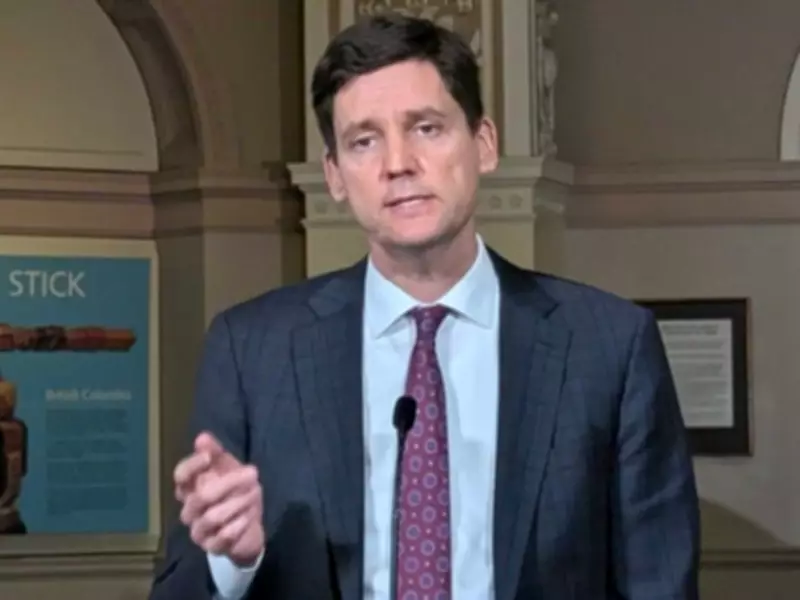
Despite maintaining a lead among party leaders with 43 percent approval, Premier David Eby has reached his lowest approval rating since taking office following John Horgan's retirement. More troubling for the NDP leader is his rising disapproval rating, which has jumped from 35 percent last May to 44 percent in the current survey.
Mossop described Eby's current approval number as "strong" but noted the concerning trend. "His performance on certain files is what I think voters are getting tired of," he explained, pointing to recent challenges in Indigenous reconciliation efforts as a particular area of concern.
Key Issues Driving Voter Dissatisfaction
The poll identified several factors contributing to the shifting political dynamics in British Columbia:
- Indigenous Reconciliation Challenges: Eby's government faces criticism for seeking to suspend portions of the Declaration of the Rights of Indigenous Peoples Act following two landmark court decisions. The government is appealing both the Gitxaała Nation decision regarding mineral claims and the Cowichan decision concerning Aboriginal title and private property.
- Economic Concerns: Voters express growing unease about the province's ballooning deficit, projected to reach a record $13.3 billion for the 2026-27 fiscal year with additional deficits expected in subsequent years.
- Broader Dissatisfaction: More than half of respondents believe the province is on the wrong track, reflecting widespread discontent with current governance.
When asked about the most important issues facing the province, five percent of voters identified the deficit as their primary concern. While this percentage remains lower than housing affordability (15 percent) and health care (14 percent), it equals concerns about crime and public safety and exceeds worries about poverty and the opioid crisis.
Conservative Momentum Building
The Conservative Party's rise follows former leader John Rustad's resignation and the subsequent entry of several leadership contenders into the race. Mossop noted that the party appears to be gaining traction even before the leadership debates and final vote, suggesting potential for further growth once a new leader is selected and receives associated publicity.
As British Columbia approaches its next provincial election, these poll results indicate a potentially competitive race ahead. The narrowing gap between the two major parties, combined with Premier Eby's declining approval ratings and voter concerns about key policy areas, suggests that political dynamics in the province may be undergoing a significant transformation.