The recent Edmonton municipal election delivered surprising results that have left political observers analyzing what went wrong for the centre-right movement that seemed poised for victory. Despite favorable conditions for change, voters largely returned incumbent council members and rejected the well-funded Better Edmonton party's bid for power.
Election Results Defy Expectations
The October 20 civic election saw all but one council incumbent re-elected, many with significantly larger margins than in the 2021 vote. The mayor's race was won by the candidate most closely associated with the previous council, defying predictions of a conservative takeover at city hall. Voter turnout remained disappointingly low despite apparent public dissatisfaction.
What makes these results particularly puzzling is the context. This was supposed to be the ideal opportunity for centre-right forces to gain control of municipal government. Instead, the election became a reaffirmation of the status quo rather than the sweeping change many had anticipated.

Better Edmonton's Post-Election Analysis
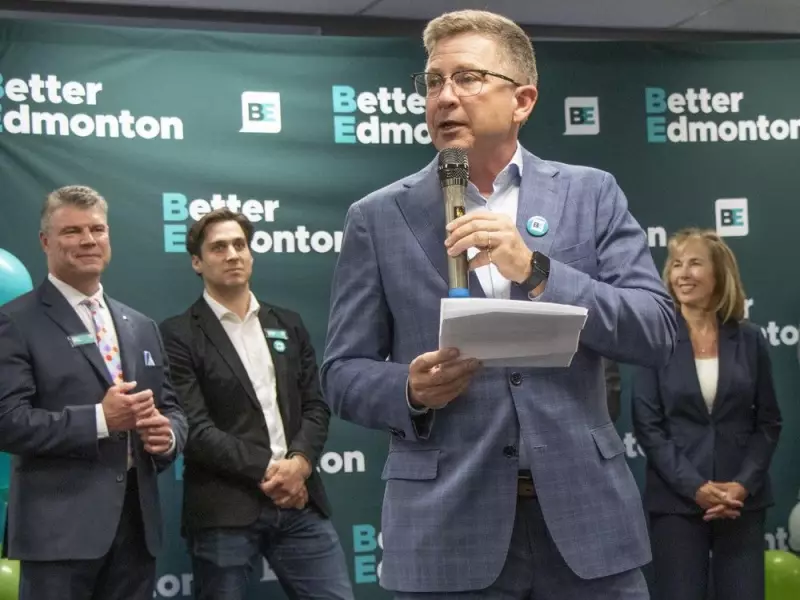
Cameron Johnson, the new chairman of Better Edmonton, recently offered his perspective on the defeat in a Journal op-ed. Johnson expressed frustration with what he called staggering voter apathy and criticized other candidates for splitting the centre-right vote. He specifically mentioned former mayor Stephen Mandel for publicly supporting Michael Walters rather than Better Edmonton's candidate Tim Cartmell.
The party's analysis essentially suggests that winning would have been easier without voters making different choices and without political opponents running against them. This perspective has drawn criticism for its lack of self-reflection, particularly given Better Edmonton's substantial advantages during the campaign.
Financial Advantage Fails to Translate to Victory
Better Edmonton ran the most expensive campaign in Edmonton's history, with financial resources well above $1 million according to reports. This gave the party a massive funding advantage over its rivals, making the election outcome even more surprising to political analysts.
Despite this financial edge and promises that the party would go dormant after the election, Johnson now says Better Edmonton plans to remain active and relevant until at least the 2029 civic election. The organization has even sent fundraising emails to supporters, asking for continued financial backing despite the recent defeat.
Johnson credits what he calls the city's NDP-aligned movement for its organizational skills and ability to stay united behind a single, disciplined candidate. He contrasts this with the centre-right bloc's fragmentation, suggesting that if candidates like Michael Walters and Rahim Jaffer had left the race earlier or never entered, most of their votes would have gone to Cartmell.
This externalizing of responsibility concerns political observers who believe that for Better Edmonton to survive and eventually succeed, the party must engage in more substantive self-analysis about why their message failed to resonate with Edmonton voters despite the favorable political climate and substantial financial resources.