Dermatologists Analyze Trump's Neck Rash, Suggest Common Skin Treatment
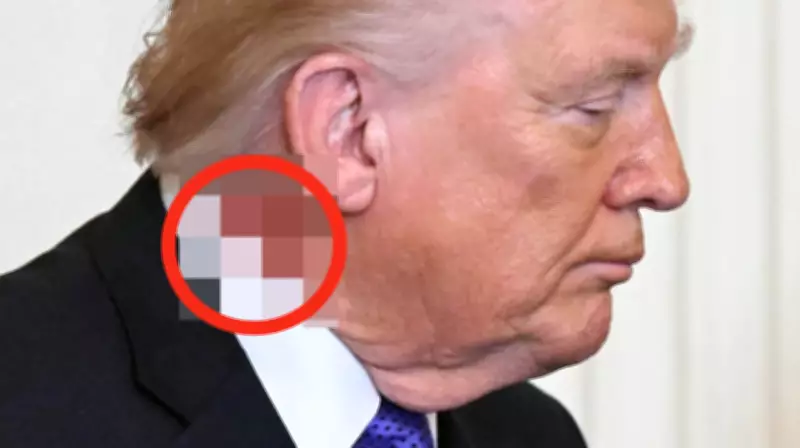
The appearance of an angry rash on the back of President Donald Trump's neck on Monday ignited widespread speculation, fueled by the president's advanced age, his refusal to release comprehensive health records, persistent bruising, swollen ankles, covert MRI scans, and an increasing tendency to fall asleep during meetings. The White House responded to inquiries from HuffPost, stating that Trump is "using a very common cream" and characterizing it as "a preventative skin treatment" that will cause redness "for a few weeks." This explanation, while descriptive, deliberately avoids diagnosing the specific condition itself.
Expert Speculation on the Likely Cause
Dr. Elizabeth Bahar Houshmand, a double board-certified dermatologist, offered her professional assessment based on the available information. "Based on the description and the information provided by the White House, the most likely explanation is that the president is undergoing treatment for actinic (sun-induced) skin damage, often referred to as actinic keratoses commonly described as 'pre-cancers,'" she explained. These lesions are indeed very common, especially among individuals with significant sun exposure, particularly on skin surfaces that receive the most ultraviolet rays.
It is reasonable to hypothesize that Trump, an avid golfer, might have developed some of these damaged cells on his neck. However, Dr. Houshmand emphasized a crucial distinction: "While they are not skin cancer, they are considered precancerous because a small percentage can progress to squamous cell carcinoma over time." The localization of the rash to Trump's neck likely indicates a targeted treatment rather than a systemic health problem. Additionally, she noted that Trump's reported daily intake of approximately 325mg of Aspirin is unlikely to be the cause of this specific skin reaction.

Agreement from a Leading Cancer Center Dermatologist
Dr. Anthony Rossi, an attending dermatologist at Memorial Sloan Kettering Cancer Center, independently concurred with this analysis. Rossi speculated that Trump is probably using one of two commonly prescribed topical chemotherapy medications, such as "5 Flurouracil or topical immunomodulator imiquimod." Both creams are typically applied for two to four weeks and induce what Rossi described as a "red scaling reaction" that matches the visible symptoms on Trump's neckline.
"Those with fair skin, light hair, light eyes and chronic UV exposure or tanning are most at risk for these actinic keratoses, precancers," he added, highlighting the demographic and behavioral risk factors. Both medical experts stressed that without directly examining the patient or receiving official confirmation from the White House, their conclusions remain educated clinical impressions rather than definitive diagnoses. The situation underscores the ongoing public curiosity and concern regarding the health transparency of high-profile political figures.