In a stunning political reversal, younger voters who once helped propel Donald Trump to victory in the 2024 presidential election have now turned sharply against him, according to a new analysis of recent polling data.
A Cliff-Like Decline in Support
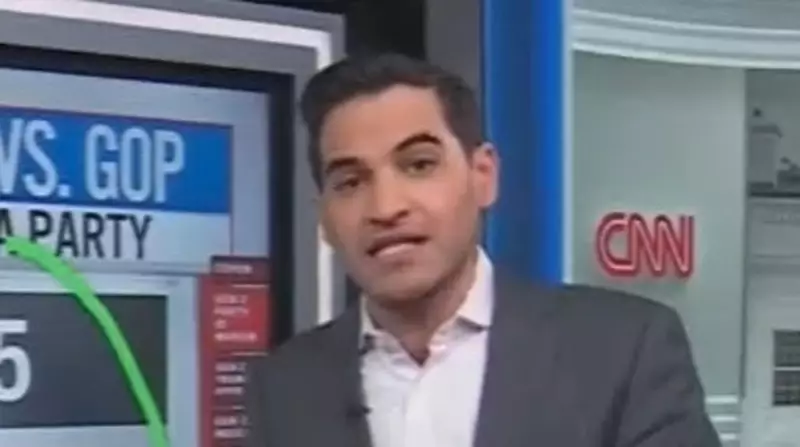
CNN's chief data analyst, Harry Enten, highlighted a dramatic erosion of support for former President Donald Trump among Generation Z voters. Enten described the shift as the demographic having "fallen off a cliff" in its approval of Trump since his return to office.
The numbers tell a stark story. Just weeks after the 2024 election, a CBS News/YouGov survey showed Trump's net approval rating with Gen Z at a positive +10 points. This metric, calculated by subtracting the percentage who disapprove from those who approve, indicated a favorable view among these young voters who were crucial to his win.

However, that support has utterly collapsed. A survey conducted last week shows Trump's net approval with Gen Z has cratered to a staggering -32 points. This represents a massive 42-point swing away from the former president in a relatively short period.
"My goodness gracious! This, as I said, is a very swingy group and it has swung very much away from Donald John Trump," Enten remarked on the significant change.
A Widening Partisan Gap
The disapproval is reflected in broader partisan identification trends. Enten cited recent Gallup polling showing a significant movement of Gen Z voters toward the Democratic Party since 2024.
In 2024, these voters identified with or leaned toward Democrats over Republicans by a margin of +6 points. By 2025, that gap experienced what Enten called a "huge widening," jumping to a +20-point margin for Democrats.
"That was, in fact, the largest shift – considerably more so than any other group," Enten emphasized. He noted that while there was a shift in the overall electorate, the movement among Gen Z was "more than double the shift that we saw among the electorate at large, toward the Democratic Party."
The Independent Wild Card
Despite the current leftward tilt, Enten cautioned against viewing Gen Z as a permanently captured demographic for either party. He pointed out that Gen Z is "more independent than any other generation."
The data supports this: 56% of Gen Z respondents told Gallup they identify as independents, significantly higher than the 40% average across other generations.
"So, yes, they are in the Democratic camp right now. They don't like what Donald Trump is doing. But, look, that ball can easily go back into the other court," Enten said, using a football analogy. "Right now, Democrats gotta take that ball off the ground ― we're in the NFL playoffs ― and they gotta run with that ball. Because if they don't, I can assure you that the Republican Party will, as we saw in the 2024 election."
This analysis underscores the volatile nature of the youngest voting bloc. Their substantial swing away from a president they recently helped elect serves as a potent reminder of their growing influence and unpredictable political leanings, a factor that will undoubtedly shape electoral strategies in Canada and the United States for cycles to come.