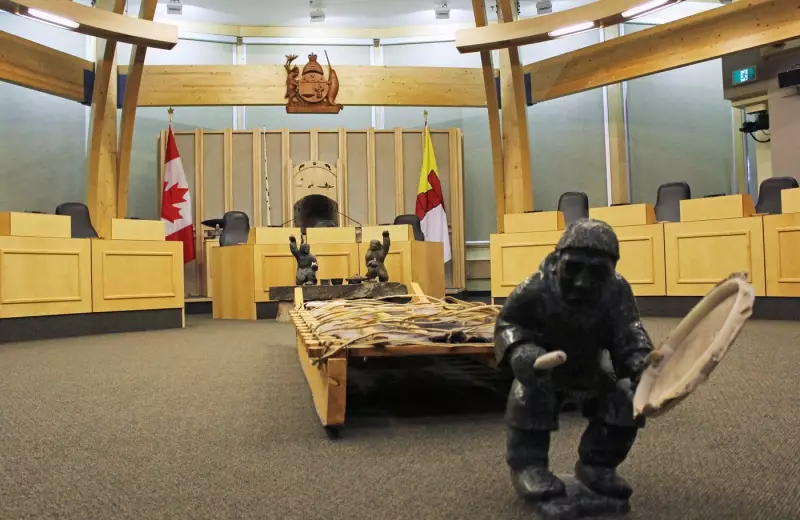
In a historic political development for Canada's northern territory, John Main has been selected as Nunavut's new premier, becoming the first non-Inuk leader to hold this position since the territory's establishment. The selection occurred on November 18, 2025, marking a significant moment in Nunavut's political landscape.
A New Chapter in Nunavut Leadership
The election of John Main represents a notable shift in the territory's governance structure. While Nunavut has historically been led by Inuit politicians since its creation in 1999, Main's selection demonstrates the evolving nature of representation in Canada's northern territories. The decision was made by members of the Nunavut Legislature following standard parliamentary procedures.
The voting process took place within the Nunavut Legislature building in Iqaluit, the territorial capital that has served as the center of political activity since the territory's inception. This location has witnessed numerous significant political moments throughout Nunavut's history.

Understanding the Significance
Main's election as the first non-Inuk premier in Nunavut highlights the territory's growing diversity and changing political dynamics. While maintaining respect for Inuit culture and traditions that form the foundation of Nunavut society, this development signals potential shifts in how the territory approaches governance and representation.
The new premier faces numerous challenges and opportunities, including addressing economic development, healthcare access, housing shortages, and climate change impacts that particularly affect northern communities. Main's leadership will be closely watched as he navigates these complex issues while representing all residents of the territory.
Broader Political Context
This leadership change occurs against the backdrop of other significant political developments across Canada, including provincial and territorial governments addressing various policy challenges. The selection process followed established parliamentary traditions while reflecting Nunavut's unique consensus-style government model.
As Main assumes his new role, political observers will monitor how his administration balances the territory's cultural heritage with the practical demands of governance. The premier's approach to working with Inuit organizations and representing Nunavut's interests in federal-provincial-territorial relations will be particularly important for the territory's future direction.