Montreal-Terrebonne Byelection to Feature Adapted Ballot Design
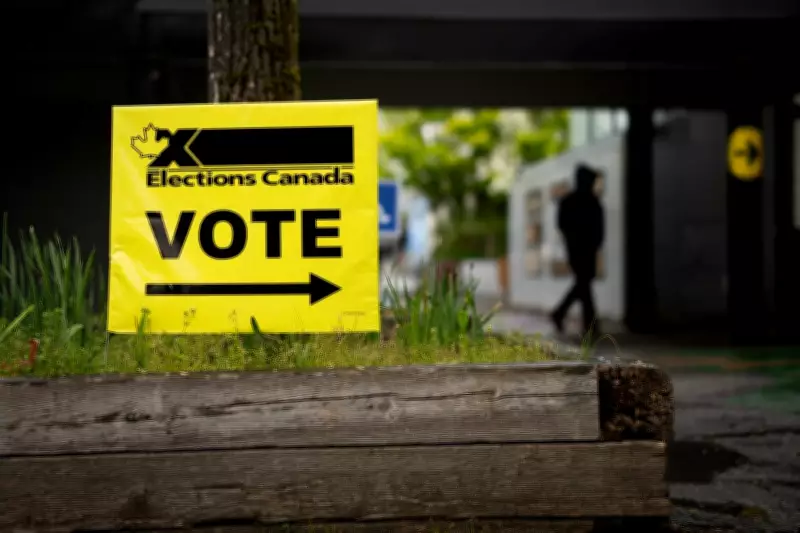
In response to an unprecedented surge in candidate registrations, the upcoming Montreal-Terrebonne federal byelection will implement an adapted ballot design. This measure aims to maintain voter accessibility and streamline the electoral process amidst a crowded field of contenders.
Addressing Electoral Challenges
The decision to modify the ballot stems from concerns over potential voter confusion and logistical hurdles. With a high number of candidates vying for the seat, traditional ballot layouts could become cluttered, complicating the voting experience. Election officials have emphasized that the adapted design will prioritize clarity, ensuring that voters can easily identify and select their preferred candidates without errors.
This initiative reflects ongoing efforts to enhance democratic participation and uphold the integrity of federal elections in Canada. By proactively addressing these challenges, authorities aim to foster a smooth and efficient voting day, minimizing disruptions and promoting public trust in the electoral system.

Broader Implications for Future Elections
The Montreal-Terrebonne byelection serves as a critical test case for managing high-candidate scenarios in Canadian politics. If successful, the adapted ballot could set a precedent for other ridings facing similar situations, potentially influencing national electoral guidelines. Experts note that such innovations are essential as political landscapes evolve, with increasing diversity and competition in candidacies.
As the byelection approaches, voters are encouraged to familiarize themselves with the new ballot format through public information campaigns. This proactive communication strategy is designed to ensure that all eligible participants can exercise their democratic rights confidently and effectively.