Local officials in Windsor-Essex are expressing shock and concern over the Ontario government's plan to merge the Essex Region Conservation Authority with seven other conservation authorities across the province. The proposed consolidation, which would create a new entity stretching northeast past Guelph, has drawn sharp criticism from conservation leaders who fear it will eliminate local oversight and increase flood risks.
Local Control Under Threat
Essex Region Conservation Authority CEO Tim Byrne voiced strong objections during a board meeting on Thursday night, stating that the provincial plan undermines community involvement. "There are things being put forward here that destroy local accountability, local transparency, local investment in this region," Byrne told board members.
The Ford government's initiative, introduced as Bill 68 by Environment Minister Todd McCarthy on October 31, aims to merge Ontario's 36 conservation authorities into just seven larger entities. The legislation is currently moving through the provincial legislature and is expected to become law in December. An Ontario Provincial Conservation Agency would oversee the amalgamation process and consult on proposed boundaries.

Flooding and Development Concerns
Board members joined Byrne in warning about potential consequences of the consolidation. Lakeshore councillor Ryan McNamara raised alarm about increased flood risks, stating that "They're going to be building homes and businesses in areas that are going to be flooded."
Lasalle's deputy mayor Michael Akpata suggested the changes are designed to prioritize provincial housing goals over environmental protection. "You can't build condos on protected land. So, if you unprotect the land, you can build condos," Akpata remarked, highlighting the tension between development objectives and conservation mandates.
Potential Loss of Local Programs and Jobs
The meeting revealed multiple concerns about the merger's impact on local conservation efforts. Board members worried about losing local control over decision-making, potential job losses at conservation authorities, decreased support from local donors, and possible elimination of non-mandatory programming.
McNamara directly addressed employment concerns, stating "It will lead to job loss at this conservation authority and all conservation authorities."
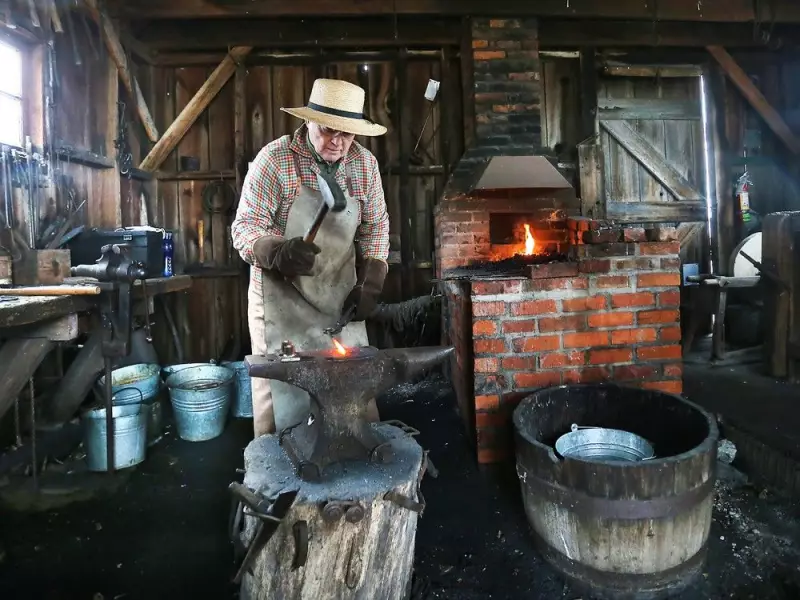
Windsor city councillor Jim Morrison expressed particular concern about the potential loss of programs at the John R. Park Homestead, a heritage property that hosts educational programs for thousands of school children. "If somebody at a higher level of government said, 'well, that's not mandatory' — I'm sorry, I can't accept that," Morrison stated.
The John R. Park Homestead, which hosted maple syrup celebrations as recently as March 2022, represents the type of local heritage programming that board members fear could be jeopardized under the new consolidated structure.
Conservation authorities currently provide services mandated by the Conservation Authorities Act, including flood forecasting, drought and low-water response, erosion and beach hazard management, source water protection, and management of authority lands. These programs are typically supported by a combination of provincial and municipal funding.
As the legislation progresses toward expected passage in December, local conservation advocates continue to voice their opposition, with Coun. Kieran McKenzie summarizing the sentiment by stating "I'm appalled by the legislation" during the November 13 ERCA board meeting.