U.S. Airport Security Shutdown Highlights Government Inefficiency Amid Private Sector Success
The partial shutdown of the United States Department of Homeland Security has now surpassed 50 days, with Democrats and Republicans locked in a fierce battle over proposed reforms to Immigration and Customs Enforcement. Department funding remains held hostage in this political standoff, creating widespread disruptions across critical services.
Unpaid TSA Workers Walk Off the Job
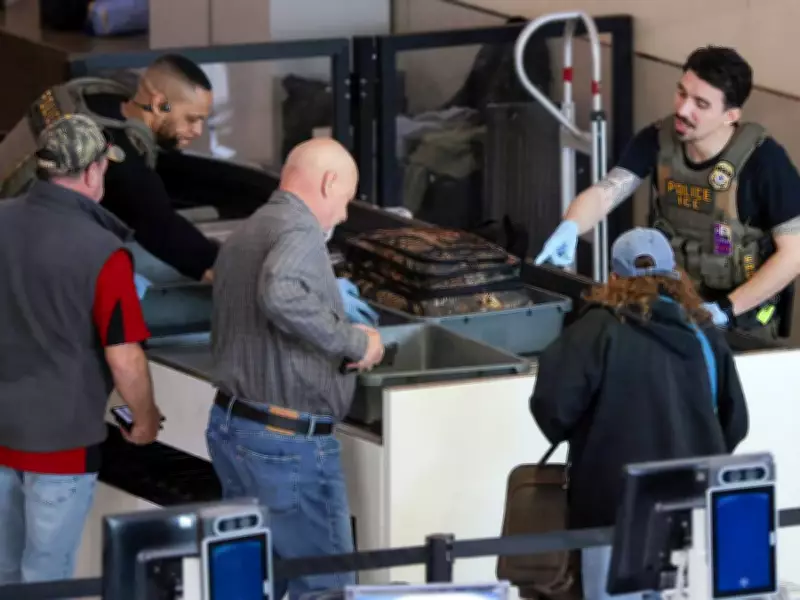
Ironically, while ICE agents continue their work unaffected thanks to funding guaranteed by a 2025 tax and spending bill, Transportation Security Administration employees have become the most visible casualties of this conflict. Approximately 61,000 TSA employees have been working without pay since the partial government shutdown began on February 14, leading to significant staffing shortages at airports nationwide.
Many TSA agents have responded by quitting or calling in sick, creating multi-hour wait times at security checkpoints across the country. USA Today reported this week that "Transportation Security Administration operations remain impacted by staff shortages after hundreds of agents quit rather than work without pay during the partial government shutdown."

Private Security Provides Stability Amid Chaos
While most airports struggle with growing security lines and frustrated travelers, some facilities have managed to avoid these disruptions entirely. San Francisco International Airport announced: "While we've seen and heard about the long security checkpoint lines over the last few weeks, SFO is NOT experiencing this issue. SFO is the largest airport participating in the Screening Partnership Program, which contracts checkpoint security screening services to a qualified private company."
The private company hired by SFO pays its employees through contractual arrangements with the airport, insulating them from the political squabbles thousands of miles away in Washington, D.C. This arrangement demonstrates how private sector solutions can provide stability when government systems fail.
Limited Private Options Available
Currently, only 20 airports participate in the Screening Partnership Program, which allows them to select from a list of approved security vendors. However, this program falls short of a fully free market solution. Both airports and security companies must receive federal approval, and they're required to adhere to TSA's procedures and directives.
This regulatory framework means airports and contractors have little leeway to experiment with security methods that might improve passengers' experience while enhancing safety. The current system maintains government oversight while outsourcing operational responsibilities.
Political Context and Funding Disputes
The debate in Washington, D.C. stems from legitimate concerns about immigration enforcement. The Trump administration's escalated enforcement of immigration rules proved controversial even before federal agents killed protesters Renee Good and Alex Pretti in Minnesota. The head of DHS has since been replaced, and there's ongoing scrutiny of how ICE and Border Patrol agents conduct their operations.
Democrats are pushing for investigations and reforms of ICE and Border Patrol by holding hostage unrelated agencies like the Coast Guard and TSA. These agencies' employees are currently working under the promise that they'll receive their paychecks in the future, creating financial uncertainty for thousands of federal workers.
Lessons in Government Dependence
The stark contrast between struggling TSA-operated airports and smoothly functioning privately secured facilities offers a powerful lesson about the risks of depending on government systems. When political disputes paralyze Washington, essential services can grind to a halt, creating inconvenience and potential security risks for millions of travelers.
The current situation at U.S. airports serves as a case study in how government can become the ultimate single point of failure in critical infrastructure. As travelers endure long waits and TSA workers face financial hardship, airports with private security arrangements continue normal operations, highlighting the resilience of market-based solutions during government dysfunction.