Bloc Québécois Leader Condemns PM Carney's China Trade Deal at PQ Convention
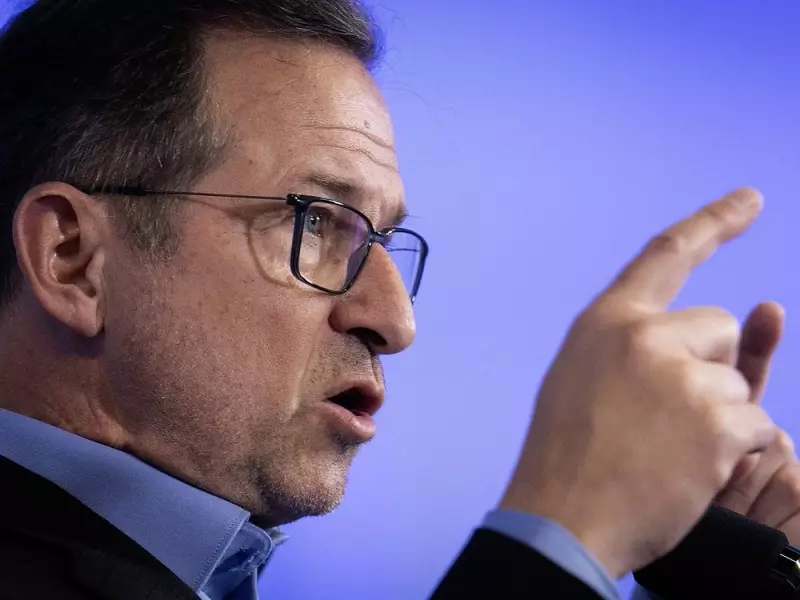
In a fiery address to Parti Québécois supporters, Bloc Québécois Leader Yves-François Blanchet delivered a scathing critique of Prime Minister Mark Carney's recent foreign policy decisions and historical understanding of Quebec. The speech, delivered at the PQ's weekend convention in St-Hyacinthe on Saturday, January 24, 2026, highlighted significant political tensions between federal and Quebec sovereigntist forces.
Trade Agreement with China Draws Sharp Rebuke
Blanchet took particular aim at Carney's recent strategic partnership announcement with China, which will permit up to 49,000 Chinese electric vehicles into the Canadian market in exchange for reduced Chinese tariffs on Canadian agricultural products like canola. The Bloc leader asserted that Carney "didn't have the mandate" to negotiate such an agreement with what he termed the "dictatorship of China."
He emphasized that the prime minister failed to address China's concerning international behaviors during the deal's announcement, including threats toward Taiwan, documented use of child labor, and the imprisonment of Canadian citizens. This criticism comes despite Blanchet acknowledging agreement with the broad themes of Carney's recent World Economic Forum speech in Davos, where the prime minister urged smaller nations to assert themselves against global superpowers.

Historical Comments Spark Additional Controversy
The Bloc leader joined a growing chorus of Quebec politicians expressing outrage over Carney's characterization of the Battle of the Plains of Abraham during a Thursday speech in Quebec City. Carney had described the 1759 conflict, where British forces defeated French troops to gain control of North America, as a moment of "accommodation," "partnership," and "building together."
Blanchet responded forcefully, stating: "God in heaven, we knew that Mark Carney ignored Quebec because his politics are Canadian, Ontarian, pro-oil, multicultural, neoliberal and centralizing. We now see that Mark Carney is completely ignorant of Quebec and its history."
To illustrate his point, the Bloc leader presented a detailed list of historical grievances:
- The hanging of Métis resistance fighters during the North-West Rebellion
- The deportation of Acadians from Maritime provinces
- The imposition of the Canadian Constitution without Quebec's signature
- Federal court challenges against Quebec legislation
After each historical reference, Blanchet asked the convention audience: "Is that building together?" to which they consistently responded "No."
Alternative Foreign Policy Approach Proposed
Rather than engaging with China, Blanchet advocated for Canada and Quebec to strengthen alliances with Mexico, European nations, and Asian democracies to counter what he perceives as aggressive actions from the United States under President Donald Trump's second administration. This approach, he noted, has been a consistent Bloc Québécois proposal since Trump's return to office.
Blanchet characterized Carney's Davos address as "essentially an exercise in style, of words that have already been said by other people, which are correct," but argued these remarks rang hollow given they came just four days after the China agreement was announced.
Political Solidarity and Demands for Apology
The Bloc leader concluded his speech by pledging unwavering support for Parti Québécois leader Paul St-Pierre Plamondon, telling the crowd: "Your leader is my leader." He called on Carney to "wipe the slate clean and present his apology to all the francophones of Quebec and Canada" for his historical comments.
St-Pierre Plamondon had similarly criticized Carney's Plains of Abraham remarks during convention proceedings on Friday, promising a more comprehensive analysis of the prime minister's statements in his closing address scheduled for Sunday. The weekend convention thus served as a platform for sovereigntist forces to articulate their objections to both Carney's foreign policy direction and his interpretation of Quebec's historical experience within Confederation.