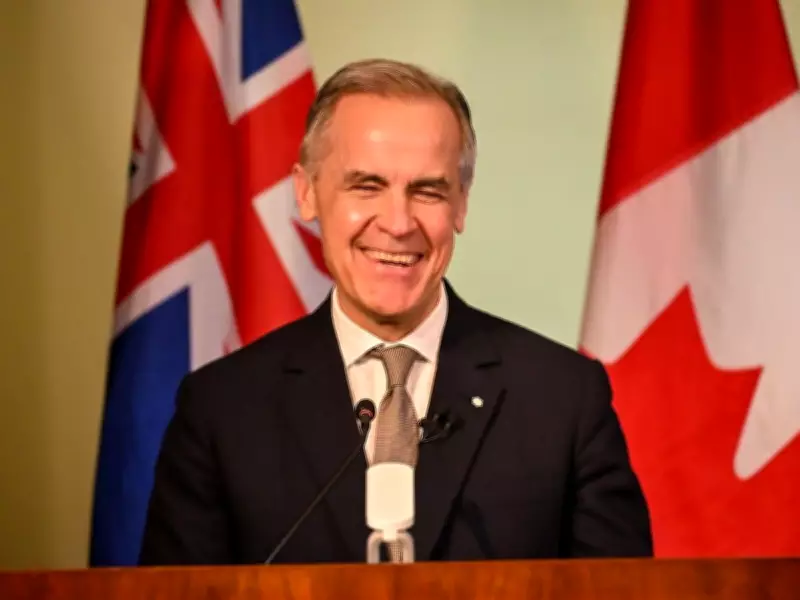
Prime Minister Carney's Tense Exchange with Reporter Over Unnamed Official's Statements
Prime Minister Mark Carney engaged in a notably sharp exchange with a National Post reporter during a recent press interaction in Ottawa. The confrontation centered on questions regarding comments made by an unnamed government official who had downplayed India's involvement in transnational repression and foreign interference activities targeting Canada.
The Contentious Question and Carney's Response
The reporter asked Carney whether he agreed with the official's assessment that India is no longer actively interfering in Canada's democratic processes. This question referenced a transcript from a not-for-attribution briefing held before Carney's diplomatic trip to India, Australia, and Japan.
"Well, we can debate whether you had a discussion that was not for quotation," Carney responded pointedly. He continued, "But if you want to read a quote from something that's not for quotation... I would not use those words."

This exchange represents a significant departure from established journalistic practices in Canadian politics. While prime ministers have frequently expressed annoyance with persistent questioning from reporters, challenging the validity of referencing quotes from not-for-attribution briefings breaks with longstanding tradition.
Background: The Unnamed Official's Controversial Statements
During the confidential briefing, the government official was asked specifically whether agents of the Indian government remain involved in extortion and threats of violence within Canada.
"I think we can say we're confident that that activity is not continuing," the official stated clearly.
When pressed further about whether Canada now believes India has ceased all transnational repression and foreign interference activities, the official emphasized that Canada maintains "robust safeguards" and has been actively engaging with Indian authorities on these sensitive matters.
The official reinforced this position by stating, "If we believed that the government of India was actively interfering in the Canadian democratic process, we probably would not be taking this trip right now." This assertion was repeated multiple times throughout the briefing session.
Political Reactions and Criticism
The official's statements have generated substantial controversy over the past week, drawing criticism from multiple quarters:
- Sikh advocacy groups have expressed concerns about the characterization of India's activities
- Liberal Members of Parliament have publicly stated their belief that transnational repression continues to occur
- Foreign Affairs Minister Anita Anand has deliberately distanced herself from the official's remarks
Dimitri Soudas, former communications director for Prime Minister Stephen Harper, offered a blunt assessment of Carney's response, describing the Prime Minister as "out to lunch" with his comments regarding the briefing protocol.
Understanding Not-for-Attribution Briefings
These confidential briefings represent a standard practice within the federal government, typically occurring before significant international trips by the Prime Minister. The sessions serve to provide journalists with essential background information including:
- The anticipated outcomes of diplomatic missions
- Details about scheduled meetings with foreign leaders
- Information about accompanying delegation members
- Context regarding trip planning and objectives
Participants in these briefings generally include senior government officials such as deputy ministers, assistant deputy ministers, and key advisers from the Prime Minister's Office. The not-for-attribution format allows officials to speak candidly while protecting their identities, though journalists have traditionally been permitted to reference the substance of these discussions in their reporting.
The tension between Carney and the reporter highlights ongoing debates about transparency, diplomatic relations with India, and the boundaries of journalistic access to government information in an era of heightened concern about foreign interference in democratic processes.