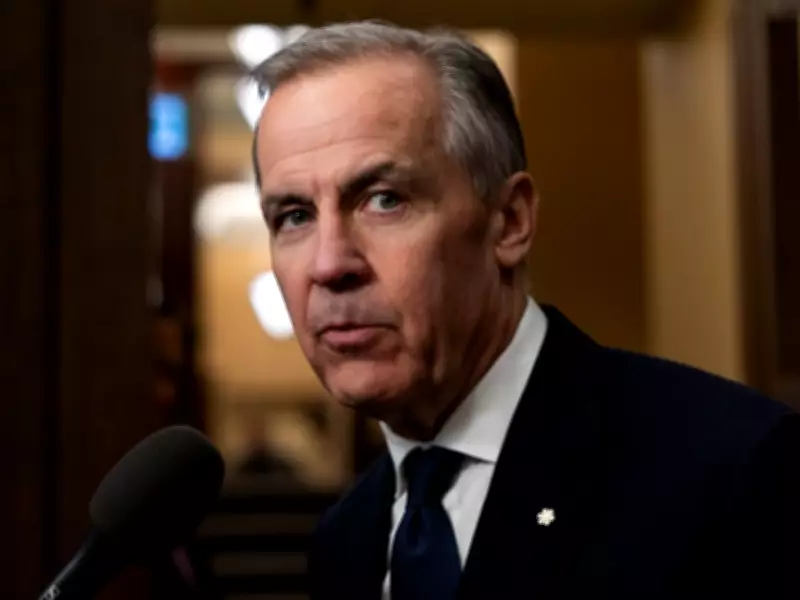
In a scathing critique, commentator Franco Terrazzano draws a vivid analogy to illustrate Prime Minister Mark Carney's approach to governance: just as a child might shove toys under the bed when told to clean their room, Carney is accused of hiding Ottawa's mounting issues rather than addressing them head-on. From excessive borrowing and rising taxes to burdensome regulations, the administration appears to prioritize concealment over genuine solutions, according to Terrazzano's analysis.
Electric Vehicle Mandate Retreat: A Case of Regulatory Sleight of Hand
The recent retreat from Ottawa's electric vehicle mandate serves as a prime example of this pattern. Initially, the government planned a complete ban on new gas and diesel vehicle sales by 2035, a move that automakers warned would have devastating economic impacts. Brian Kingston, president and CEO of the Canadian Vehicle Manufacturers' Association, highlighted the unsustainable costs, stating that the mandate threatened Canadian jobs and investment in the automotive sector.
Earlier this month, Carney announced a shift away from the outright ban, instead imposing new emissions standards aimed at ensuring 75% of new cars sold by 2035 are electric. However, critics like Dan McTeague, president of Canadians for Affordable Energy, argue that this new standard is essentially an EV mandate in disguise, with emissions requirements so stringent that only electric vehicles could realistically comply.

Terrazzano contends that while Carney has abandoned the unrealistic plan for a total ban, he has replaced it with less transparent regulations that impose nearly as unrealistic and costly demands, effectively sweeping the problem under the rug rather than resolving it.
Mounting Debt: A Fiscal Illusion
Another critical issue Terrazzano points to is Ottawa's escalating debt. Under former Prime Minister Justin Trudeau, the national debt doubled over a decade, with research from the Canadian Taxpayers Federation revealing that every dollar paid in federal sales tax now goes toward servicing interest on this debt.
Carney's election platform acknowledged that the federal government has been overspending, yet his administration has not implemented significant spending cuts. Instead, Terrazzano alleges that Carney has engaged in budgetary manipulation by splitting the federal budget and reclassifying billions in operational spending as capital investments. This tactic, he argues, is designed to create the illusion of reduced waste without actual fiscal restraint.
The parliamentary budget officer has criticized this approach, labeling Carney's definition of capital as "overly expansive" and noting that $94 billion in operating spending has been relabeled as capital investments. The numbers tell a clear story: Carney's government is spending $38 billion more this year than last, and projections indicate he plans to add twice as much debt by 2030 as Trudeau had forecasted.
A Pattern of Avoidance
Terrazzano's analysis suggests a consistent pattern in Carney's governance style. Whether it's the electric vehicle mandate or the federal debt, the prime minister appears to favor obfuscation over outright reform. By implementing policies that mask rather than mitigate problems, Carney risks perpetuating the very issues he claims to address.
As Ottawa grapples with these challenges, the question remains: will Carney's administration pivot toward substantive change, or continue to rely on short-term fixes that merely hide the mess? For now, critics argue that the more Carney insists things are changing, the more they seem to stay the same, leaving Canadians to bear the brunt of unresolved fiscal and regulatory burdens.