Carney's Coveted Majority Remains Just Out of Reach
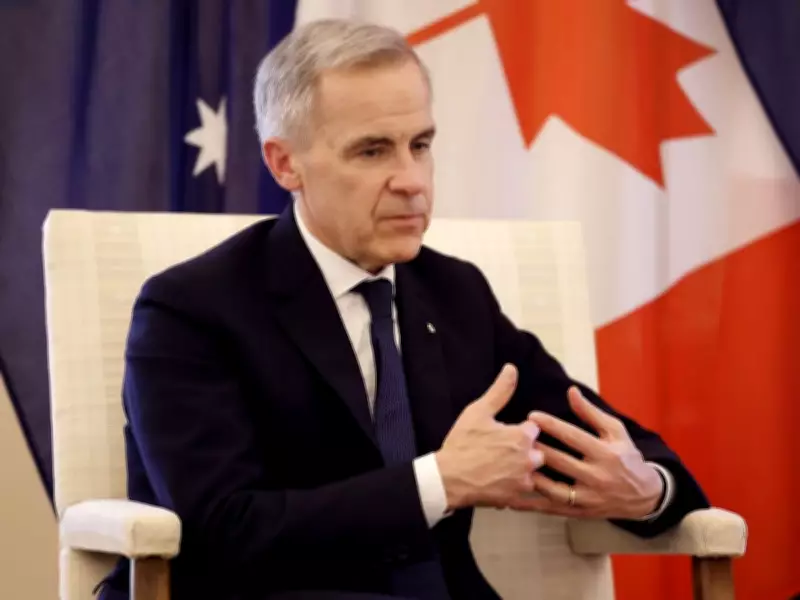
Has the escalating conflict in Iran derailed plans for a federal election in Canada? Just weeks ago, political observers speculated that Prime Minister Mark Carney might call a spring vote to capitalize on strong polling numbers and secure the majority mandate he desires. However, ten days into Operation Epic Fury, the likelihood of Canadians heading to the polls this spring has dramatically decreased.
Global Conflict Demands Governance Over Campaigning
The conflict, though occurring half a world away, involves key Canadian allies including the United States and Israel. The violence has already spilled over to domestic soil, with incidents including shots fired at synagogues and the U.S. consulate in Toronto. Meanwhile, soaring oil prices present a mixed economic picture—benefiting Alberta's energy sector while straining consumers nationwide. This complex situation demands that the government focus on governing rather than electioneering.
Carney's Handling of the Conflict Under Scrutiny
More significantly, Carney's management of the Iran situation may be postponing any election plans—or rather, his perceived mishandling of it. After initially praising U.S. efforts to contain Iran's nuclear threat, the prime minister began tempering his support, stating that the strikes violated international law and that Canada supported them "with regret." He changed positions four times in total, drawing criticism from opposition parties during Monday night's all-party debate on the war—a debate that Carney notably did not attend.

The Liberal caucus is reportedly frustrated with this approach. Taking a position without proper consultation, particularly on an issue where polls show Canadians are divided, demonstrates disrespect toward MPs. Leaving Foreign Affairs Minister Anita Anand to represent the government during the debate further compounded this perception. While Carney remains popular with voters, it would be politically unwise to send his team campaigning when they feel undervalued.
Byelections Offer Alternative Path to Majority
Despite these challenges, Carney still requires a majority government to implement his agenda effectively. As an alternative strategy, he has called byelections for three vacant ridings: two in Toronto and one in Terrebonne, Quebec. Voters will head to the polls on April 13th. A Liberal sweep of all three seats would grant Carney his majority, though this outcome is far from certain.
While the Ontario seats appear secure for the Liberals, the Quebec riding presents significant challenges. Terrebonne hadn't voted Liberal in 45 years before 24-year-old Tatiana Auguste won by a single vote in April 2025 over Bloc Québécois incumbent Nathalie Sinclair Desgagné. The election was essentially a tie after a BQ voter's mail-in ballot was returned due to an Elections Canada address error. Sinclair Desgagné pursued the matter to the Supreme Court, which ultimately ordered a new election.
Current polling aggregator Canada385 shows the Bloc and Liberals virtually tied in Terrebonne at 39% and 38% respectively. With both parties heavily invested—the Bloc seeking revenge and the Liberals desperate for a majority—this race will see intense campaigning. The Liberals are strategically holding their annual convention in Montreal the weekend before the vote, enabling ministers to engage in door-knocking efforts in nearby Terrebonne.
Future Byelections Could Further Complicate Majority Quest
These three byelections may not conclude the story. Up to three additional byelections could occur in coming months: Liberal MP Nathan Erskine Smith announced last month he will seek the Ontario Liberal party leadership; Quebec NDP MP Andre Boulerice is considering running for Quebec Solidaire leadership; and persistent rumors suggest former environment minister Steven Guilbeault may leave politics. Among these, only Smith's seat appears safe for Liberals—if Guilbeault's riding went to the Bloc, Carney would again find himself one seat short of a majority.

As Winston Churchill famously observed, "Events, dear boy, events." While U.S. President Donald Trump claims the war "is going to be finished pretty quickly," for Prime Minister Carney, the political implications are just beginning to unfold, with his coveted majority remaining tantalizingly out of reach.