Political Theater Overshadows Grocery Affordability Crisis in Parliament
Prime Minister Mark Carney's recent exchange with Conservative leader Pierre Poilievre during Question Period has drawn sharp criticism for prioritizing political point-scoring over substantive policy discussion on Canada's escalating grocery inflation crisis. As Statistics Canada reports grocery prices have surged 5% compared to last year, the parliamentary debate descended into personal jabs rather than meaningful solutions.
Carney's Calculated Political Maneuver
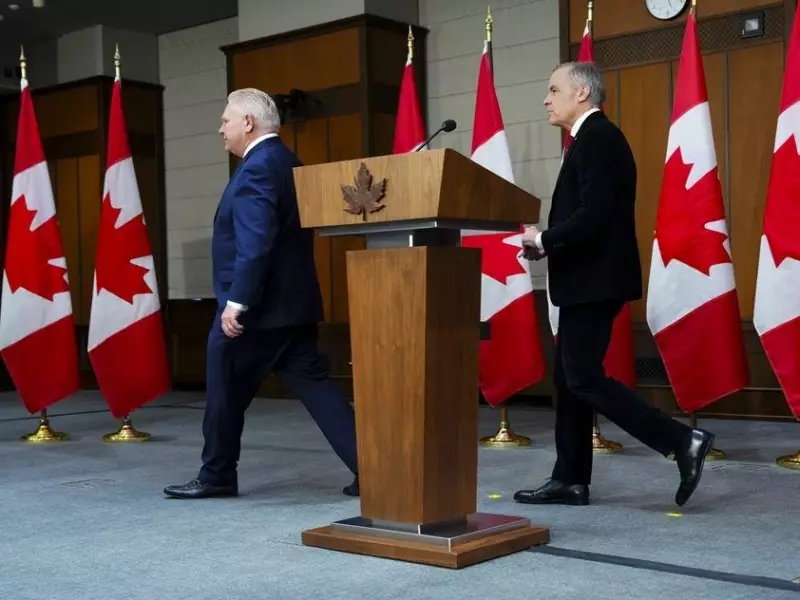
During the heated exchange, Carney offered to introduce Poilievre to Ontario Premier Doug Ford, a move observers characterized as a deliberate political provocation rather than policy engagement. "Introducing Poilievre to Ford has nothing to do with the fact that Statistics Canada reported just last week that grocery prices were up 5% compared to a year earlier," noted political commentators, describing it as Carney's way of getting a cheap shot at his political opponent.
The timing appears particularly calculated, coinciding with Poilievre facing a leadership review at the Conservative convention in Calgary this week. Carney had spent part of Monday with Ford, including a meeting at the premier's house followed by pizza, highlighting the strained relationship between Ford and Poilievre that dates back years.

Substance Over Style: The Real Grocery Crisis
While political theater unfolded in Parliament, Canadians continue grappling with soaring food costs that outpace inflation in every other G7 country. Poilievre confronted Carney about what he called "hidden costs" driving up grocery prices, pointing to deficit spending and various taxes and fees that contribute to the affordability crisis.
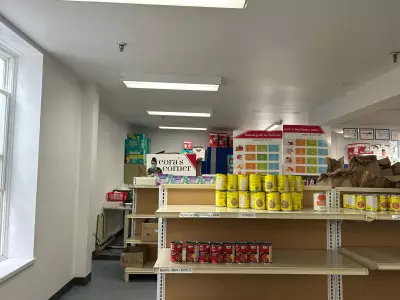
The Conservative leader revealed a particularly telling incident: "Yesterday, the Prime Minister held a photo op at a grocery store in front of food, but there was just one thing missing the price tags. He had ordered his PMO staff to literally show up early at the grocery store and remove the price tags," Poilievre told the House of Commons.
Government Programs Fall Short of Real Solutions
In response to the criticism, Carney pointed to his government's initiatives including the Canada Groceries and Essentials Benefit, a revamped GST credit, and school food programs. However, analysts note these measures represent temporary relief rather than systemic solutions to the underlying inflation drivers.
The new benefit program will reach approximately 12 million Canadians, yet food prices continue rising for everyone. "It's also a problem that Canadians need government to help feed themselves or their kids," observers noted, adding that most would prefer economic conditions that allow them to afford groceries independently.
Political Relationships Take Center Stage
The exchange highlighted the complex political dynamics between Canada's leaders. The well-documented tension between Ford and Poilievre provided fertile ground for Carney's political maneuvering. Since Ford's election victory last winter, Poilievre has maintained minimal contact with the Ontario premier, with perhaps only a single phone call occurring since the federal election where Ford was openly critical of the Conservative leader.
Meanwhile, Carney's visible alliance with Ford during this period suggests strategic positioning ahead of future political battles. "None of this has anything to do with policy. None of this will deal with inflation that remains out of control in the grocery aisles," critics emphasized, questioning whether political gamesmanship serves Canadians struggling with basic affordability.
The Path Forward: Beyond Political Sniping
As the debate continues, experts argue that Canada requires comprehensive economic strategies rather than political theater. The grocery inflation crisis represents a symptom of broader economic challenges including supply chain issues, agricultural costs, and monetary policy effects.

While Carney's programs provide temporary assistance, they fail to address the structural factors driving food prices upward at twice the rate seen in the United States. The political sniping between leaders, while generating headlines, does little to advance meaningful solutions for Canadian families facing difficult choices at the checkout counter.
Ultimately, the exchange underscores a troubling reality: political point-scoring often takes precedence over substantive policy work, even when addressing crises that directly impact Canadians' daily lives and household budgets. As grocery prices continue their upward trajectory, the need for genuine bipartisan cooperation on economic solutions becomes increasingly urgent.