Cuba Clash Ignites Speculation on Regime's Survival Amid Economic Turmoil
A recent violent incident off the coast of Cuba has thrust the island nation back into the international spotlight, raising urgent questions about the future of its long-standing communist government. On Wednesday, Cuban coast guard forces intercepted a Florida-registered yacht in its territorial waters, resulting in a shootout that left four Americans dead and several others detained. This confrontation comes at a time when Cuba's economy is described by analysts as a "basket case," plagued by severe scarcity and dwindling external support.
Historical Context and Current Crisis
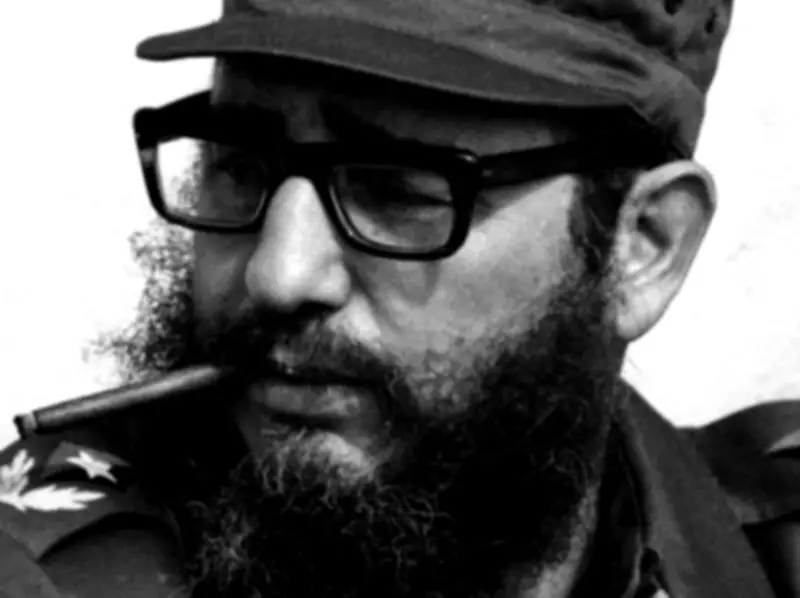
The regime, established by Fidel Castro in 1959, has persisted for over six decades, but experts argue it is now facing unprecedented challenges. Historically, Cuba relied on allies like the Soviet Union and Venezuela for economic sustenance, but with those lifelines fraying, the country's stability is increasingly precarious. Gregg Birnbaum, a veteran political journalist and professor, notes from Miami that this event is dominating headlines, highlighting Cuba's enduring influence on U.S. politics, particularly in Florida where a large Cuban diaspora resides.
Birnbaum, who has visited Cuba multiple times, emphasizes that the Cuban people harbor a deep yearning for fundamental freedoms—expression, speech, press, and religion—which have been suppressed for generations. He observes that while the regime retains some academic supporters, it has lost resonance with the broader population, both domestically and internationally.

Details of the Incident and Broader Implications
According to Cuban officials, the intercepted vessel was reported stolen from the Florida Keys and was allegedly carrying an arsenal of weapons, including assault rifles, Molotov cocktails, and communication equipment. Two individuals on board were wanted for terrorism-related activities, adding a layer of complexity to the situation. Birnbaum questions why U.S. intelligence agencies did not monitor the boat's trajectory, suggesting a potential oversight in security protocols.
This clash is seen by some as a harbinger of broader change. Birnbaum believes the world may be witnessing the beginning of the end for Cuba's communist rule, with the Trump administration poised to accelerate its decline. He points to recent diplomatic interactions, such as meetings between Raoul Castro's grandson and U.S. officials, as signs that even regime insiders are exploring political and economic reforms.
Geopolitical Factors and Future Prospects
Cuba's strategic location in the Caribbean makes it a focal point for U.S. foreign policy, unlike more distant adversaries like Iran. Birnbaum argues that promoting democracy in Cuba is more feasible due to its proximity and cultural ties to the United States. The incident underscores ongoing tensions, with the Cuban government labeling the yacht's occupants as "terrorist infiltrators," while U.S. observers debate the implications for bilateral relations.
As Cuba grapples with internal dissent and economic hardship, events like this yacht clash amplify calls for regime change. Whether this marks a turning point remains uncertain, but it highlights the persistent struggles of a nation caught between its ideological past and an uncertain future.