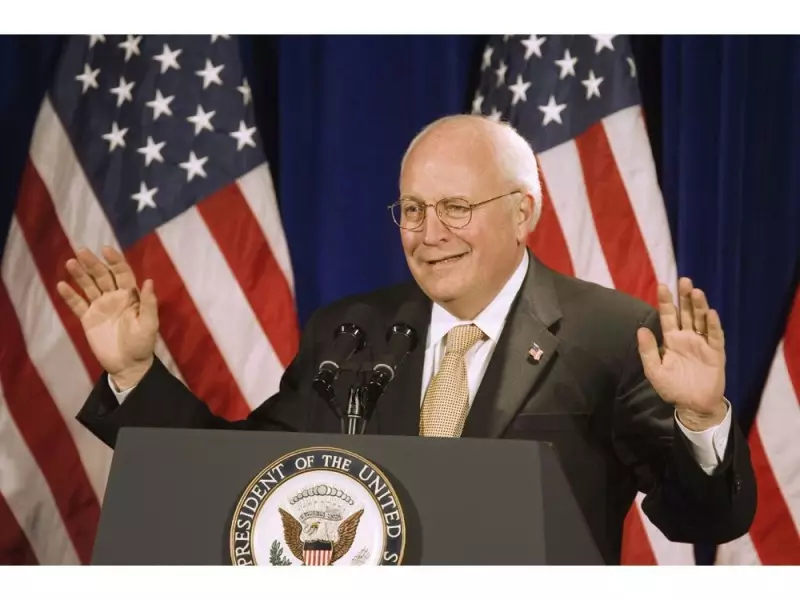
The Washington political establishment gathered on Thursday to pay final respects to Dick Cheney, the influential former vice president whose career defined decades of American conservative politics and foreign policy. The funeral service, held at the Washington National Cathedral, was a who's who of political power, yet it notably excluded one prominent figure: former President Donald Trump.
A Gathering of Political Titans
More than 1,000 guests filled the cathedral to honor Cheney, who passed away on November 3 at age 84. The distinguished attendees represented a broad spectrum of American political leadership across multiple administrations. Former Presidents George W. Bush and Joe Biden were among the most notable figures present, demonstrating the cross-party respect for Cheney's long service to the nation.
The assembly included every living former vice president: Kamala Harris, Mike Pence, Al Gore, and Dan Quayle. They were joined by Supreme Court justices, military generals, and foreign dignitaries, creating a remarkable convergence of Washington's most powerful figures.

Outside the cathedral, Mike Pence spoke to MS NOW, praising Cheney as "an American patriot who served this country like very few in our history" and highlighting his "quiet and steady leadership." George W. Bush was scheduled to deliver a formal tribute during the service.
The Notable Absence
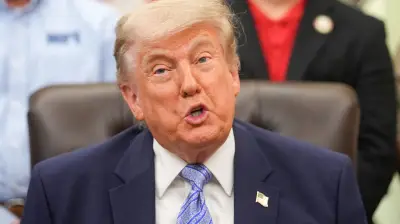
The guest list's most conspicuous omission was Donald Trump, who has not publicly commented on Cheney's death. Also absent was Trump's vice president, JD Vance, who similarly did not receive an invitation to the service.
This exclusion highlights the deep political divisions within the Republican Party, particularly between the traditional conservative establishment represented by Cheney and the populist movement led by Trump. The rift was further emphasized by the presence of Cheney's daughter, Liz Cheney, who was ousted from her Republican leadership position in Congress due to her strong opposition to Trump following the January 6 Capitol attack.
Cheney's Complex Legacy
Dick Cheney's political career spanned half a century and touched nearly every major American foreign policy event from the Cold War through the War on Terror. Historians regard him as the most powerful vice president in modern U.S. history, having transformed the traditionally ceremonial role into a position of substantial influence.
As defense secretary during the Gulf War and vice president under George W. Bush, Cheney helped steer the nation through the turbulent aftermath of the September 11 attacks. He was widely admired for his intellect and strategic clarity, yet his legacy remains deeply controversial.
Cheney embodied multiple paradoxes of power: a behind-the-scenes operator who frequently found himself in the spotlight, a staunch conservative who supported civil rights for his lesbian daughter, and a statesman viewed by supporters as indispensable and by critics as dangerous.
Following his death, flags across states were lowered to half-staff in recognition of his service. However, the tributes cannot escape the darker aspects of his legacy, including his role in expanding executive power, architecting the Iraq invasion, and overseeing the controversial interrogation techniques that many consider torture.
Dick Cheney's funeral ultimately served as both a celebration of a political titan's life and a reflection of the ongoing political realignment within the Republican Party that continues to shape American politics today.