The home of a Washington Post journalist was raided by FBI agents this week, escalating a press-freedom conflict stemming from her reporting on the inner workings of the U.S. federal government under President Donald Trump.
The Raid and the Allegations
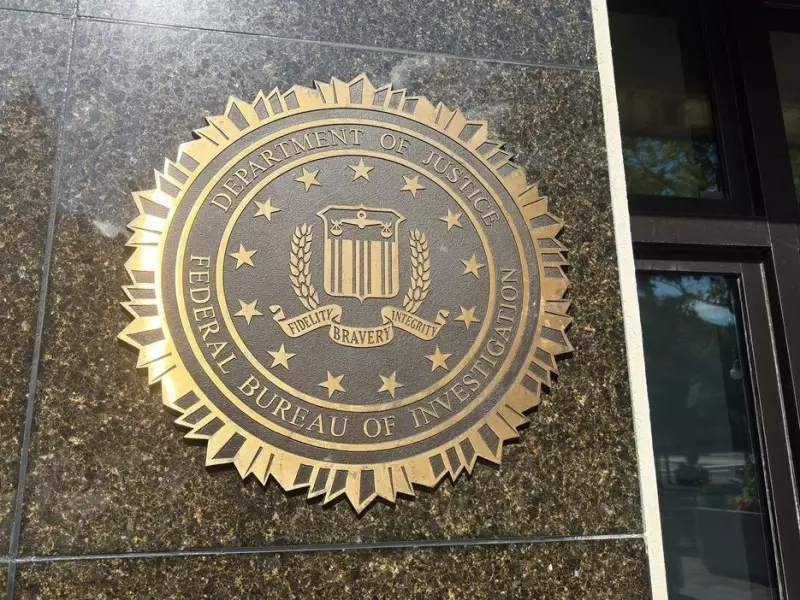
On the morning of January 14, 2026, FBI agents arrived at the residence of reporter Hannah Natanson with a search warrant. According to the Post, the agents seized one phone and two computers. The action sent immediate shockwaves through the journalism community, where such direct searches of a reporter's home are considered exceptionally rare and invasive.
U.S. Attorney General Pam Bondi publicly defended the raid on social media platform X. She alleged that Natanson had been "obtaining and reporting classified and illegally leaked information from a Pentagon contractor." Bondi stated the search was conducted "at the request of the Department of War," using the Trump administration's terminology for the Department of Defense.

The Reporting That Preceded the Raid
The FBI's action appears directly linked to a first-person account Natanson published in December 2025. In the piece, she described herself as a "federal government whisperer" who had been contacted by a vast network of concerned federal employees.
She reported that more than 1,000 sources across the federal bureaucracy had reached out to her, many using the encrypted messaging app Signal, to share anxieties about the Trump administration's reshaping of government operations. Natanson noted she had taken extra steps to protect these confidential sources.
Contractor Charged, Reporter in Crosshairs
Court documents reveal the FBI's search is tied to an investigation into Aurelio Perez-Lugones, a Maryland-based government contractor and former Navy official with top-secret clearance. Perez-Lugones was charged last week with illegally retaining classified documents.
An FBI affidavit alleges he accessed top-secret databases in October 2025, took screenshots of classified intelligence concerning a foreign country, and stored documents marked secret in his lunchbox, car, and basement. Crucially, the charging documents do not allege he leaked information to any news outlet. He remains in detention ahead of a court appearance.
While officials state Natanson is not the target of the investigation, the seizure of her reporting equipment has ignited a fierce debate about press freedoms.
Press Freedom Groups Sound the Alarm
Advocacy organizations reacted with swift condemnation, framing the raid as a dangerous precedent. Jameel Jaffer of the Knight First Amendment Institute warned, "Searches of newsrooms and journalists are hallmarks of illiberal regimes, and we must ensure that these practices are not normalized here."
Clayton Weimers of Reporters Without Borders USA stressed the legal distinction, telling CNN, "Journalists are legally permitted to publish government secrets and the courts have again and again reaffirmed that First Amendment right."
The raid has caused palpable fear within the Post's newsroom. One reporter, speaking anonymously, said colleagues were "scrambling to figure out what additional precautions we need to take," while another expressed being "horrified for Hannah" and scared about how to better protect sources.
Bruce D. Brown, president of the Reporters Committee for the Freedom of the Press, called the physical search a dramatic escalation that "endanger[s] confidential sources far beyond just one investigation and impair[s] public interest reporting in general."
The incident marks a significant confrontation between the Trump administration's aggressive stance on leaks and the foundational principles of a free press, with the seizure of a journalist's devices raising profound questions about source protection and government overreach.