In recent months, a wave of political floor-crossing has swept through Canada, with elected officials shifting allegiance from the Conservative Party of Canada and the New Democrats to join the Liberals. This trend has ignited a fierce debate among citizens, who are questioning the fundamental accountability of their politicians. At the heart of this controversy lies a critical inquiry: Who do our elected representatives truly serve, and are they upholding the trust placed in them by voters?
The Core Issue: A Breach of Voter Trust
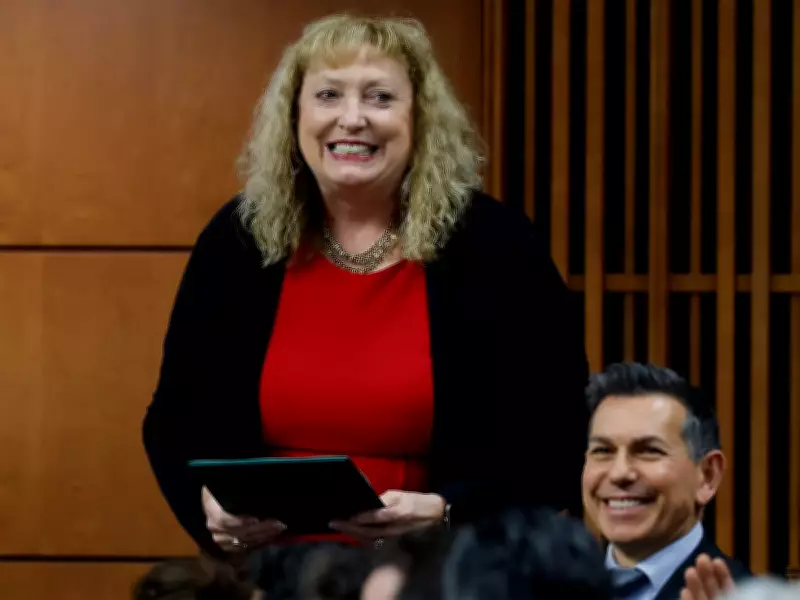
When Canadians head to the polls, they are not merely selecting an individual candidate; they are endorsing a specific platform, a set of core values, and the overarching vision of a political party. A floor-crossing event, such as MP Marilyn Gladu's recent switch from the Conservatives to the Liberals, does not represent just a personal career move. It effectively alters the political voice of an entire constituency without obtaining direct consent from the voters who elected that representative. For many citizens, this action feels like a profound breach of trust, undermining the democratic principles of representation and accountability.
Questions of Principle Versus Convenience
This situation raises pressing questions about the motivations behind such political shifts. Do elected officials remember who put them in office and the reasons for their election? Are these decisions driven by genuine principle and a commitment to better serve constituents, or are they motivated by political convenience and personal advancement? Most importantly, where does this leave the voters who entrusted these politicians with their voices and concerns? Public service, at its essence, is about faithfully representing the people and being accountable to them. When these principles appear compromised, public confidence in the entire democratic system begins to erode, regardless of party affiliation.

Calls for Greater Transparency and Accountability
To restore faith in the political process, there must be increased transparency and accountability when significant floor-crossings occur. Voters deserve a clear explanation of the "why" behind such moves, and they need mechanisms in place to ensure their voices are not sidelined or ignored. Ultimately, elected officials are not in office to serve personal agendas; they are there to serve the people, and Canadians rightfully expect nothing less from their representatives.
Additional Letters Address Broader Issues
Beyond the floor-crossing debate, other letters from readers touch on diverse topics. One writer criticizes Deputy Defence Minister Christiane Fox for her focus on Diversity, Equity, and Inclusion (DEI) initiatives, arguing that this emphasis promotes incompetence and detracts from competent decision-making in government operations. The letter suggests that such approaches can be unfair to qualified individuals from all backgrounds.
Another letter responds to Ontario's new liquor laws, which allow alcohol consumption at provincial park picnic sites and beaches. The writer expresses support for this change, highlighting a shift in provincial regulations that reflects evolving social norms and recreational preferences.
These discussions collectively underscore the dynamic nature of Canadian public discourse, where issues of political integrity, governance, and social policy continue to spark thoughtful engagement from citizens across the nation.