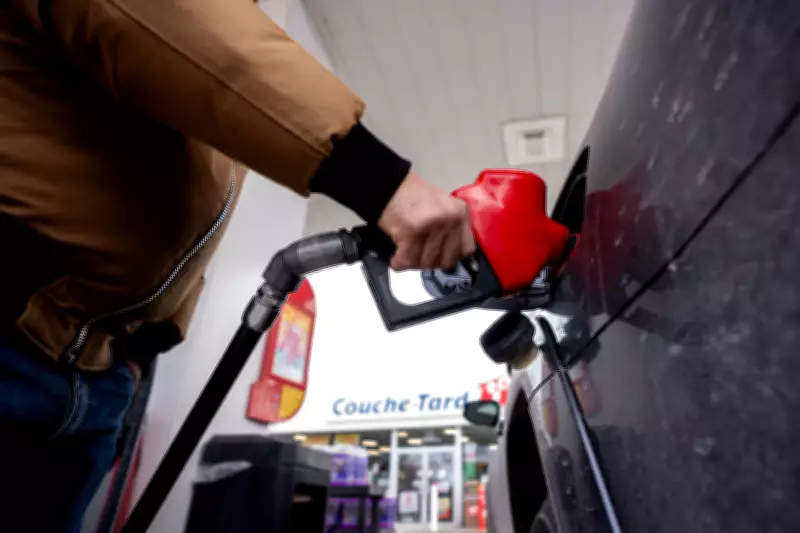
Gas Tax Reduction in Question as Minister Champagne Withholds Stance
As Canadian consumers grapple with escalating fuel costs, the potential for a federal gas tax cut remains shrouded in uncertainty. Industry Minister François-Philippe Champagne has deliberately avoided making any definitive statements regarding whether the Liberal government intends to implement such a measure to alleviate financial pressure on households.
Economic Context and Political Pressure
The debate over suspending the gas tax emerges against a backdrop of volatile global energy markets and domestic inflationary concerns. With gasoline prices experiencing significant spikes, opposition parties and advocacy groups have intensified calls for immediate intervention. However, Minister Champagne's reticence suggests the government is carefully weighing the fiscal implications and long-term economic impact before committing to any policy shift.
Pedro Antunes, Chief Economist at Signal49 Research, recently commented on what he described as a "mild break" in gas prices, while cautioning that geopolitical conflicts continue to exert prolonged influence on economic stability. This analysis underscores the complex factors policymakers must consider when addressing energy affordability.

Broader Implications for Fuel Demand and Public Policy
Concurrently, a public sector union has proposed an alternative approach to reducing fuel consumption: allowing federal employees to work remotely. This suggestion highlights how the gas price crisis intersects with broader discussions about workplace flexibility and environmental sustainability. The union argues that expanded telecommuting options could meaningfully decrease transportation fuel demand while maintaining productivity.
Meanwhile, provincial leaders are seeking greater involvement in judicial appointments, reflecting how energy costs and economic concerns permeate multiple governance levels. Four premiers have formally requested enhanced consultation roles for superior and appeal court judge selections, indicating that the gas tax debate occurs within a wider context of intergovernmental relations.
Uncertain Path Forward
Minister Champagne's noncommittal position leaves Canadians without clear expectations regarding potential relief at the pump. The government faces competing priorities: providing immediate financial assistance to struggling families while maintaining revenue streams for infrastructure and social programs funded by fuel taxes.
As parliamentary discussions continue, stakeholders across the political spectrum will closely monitor any developments. The decision whether to implement a gas tax reduction carries substantial consequences for household budgets, government finances, and Canada's broader economic trajectory during this period of elevated energy prices.