A federal firearms buyback pilot program in Nova Scotia has been declared a failure after collecting a mere 25 guns, a fraction of its intended goal. The program, launched under Prime Minister Mark Carney's government, was tested in the Cape Breton region.
Pilot Program Falls Drastically Short of Target
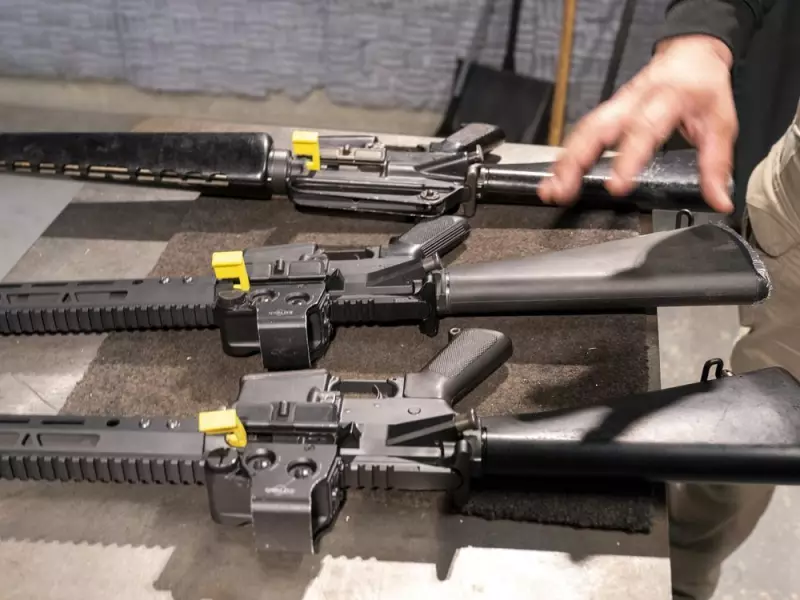
The government had hoped to collect approximately 200 firearms through the initiative. However, the final tally reached only 25 weapons. According to industry estimates, the region is home to at least 2,000 firearms that fall under the federal ban. Officials reported that most of the surrendered guns were old hunting rifles turned in by families who no longer wanted them, rather than the targeted models.
Failed Program Set for National Expansion
Despite the meagre results, the Liberal government is moving forward with plans to expand the program across Canada. The federal government has already announced $12.4 million in funding for Quebec to coordinate the collection of eligible firearms within its jurisdiction. The national buyback program was first announced on May 1, 2020, in the wake of the Nova Scotia mass shooting. Critics argue the program has spent tens of millions of dollars with little to show for it.

Focus on Legal Owners Versus Criminal Gun Use
The article highlights a central criticism of the policy: it targets law-abiding gun owners instead of addressing the primary source of gun violence. The Nova Scotia shooter, Gabriel Wortman, used illegally smuggled firearms from the United States, which had been reported to the RCMP but not seized. Meanwhile, hundreds of thousands of legally owned firearms, like the AR-15, have been sitting unused in the homes of vetted owners for over five years without a resulting crime wave.
The piece contrasts this with recent violent crimes in Toronto, allegedly committed by individuals like Babatunde Afuwape and Tyler Gibson, who had lengthy criminal records and were under court orders not to possess firearms. These cases, authorities state, involved illegal handguns, not legally owned rifles. The argument is made that enforcement resources should be directed at smuggling and criminals, rather than a buyback that has so far proven ineffective.
The government has branded the banned firearms as "assault-style" weapons, a characterization disputed by the author, who notes that Ukraine declined an offer to take them. The conclusion is that the buyback is a political exercise that does not enhance public safety, while the harder work of tackling the illegal gun trade is ignored.