House Approves Short-Term Surveillance Extension After GOP Revolts Against Trump
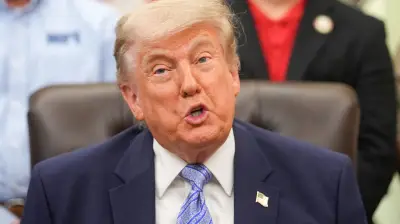
In a dramatic post-midnight session early Friday, the U.S. House of Representatives approved a short-term renewal of a controversial surveillance program until April 30. This move came after Republicans revolted and refused President Donald Trump's push for a longer extension, highlighting deep divisions within the party over national security and civil liberties.
Last-Minute Proposal and Collapse
Late Thursday, a new proposal was unveiled that would have extended the program for five years with revisions. This marked a significant departure from the clean 18-month renewal that Trump had demanded and that Speaker Mike Johnson had previously backed. Lawmakers scrambled back to the Capitol as Democrats criticized the rushed process, with many members flipping through pages of the bill on the floor as votes began.
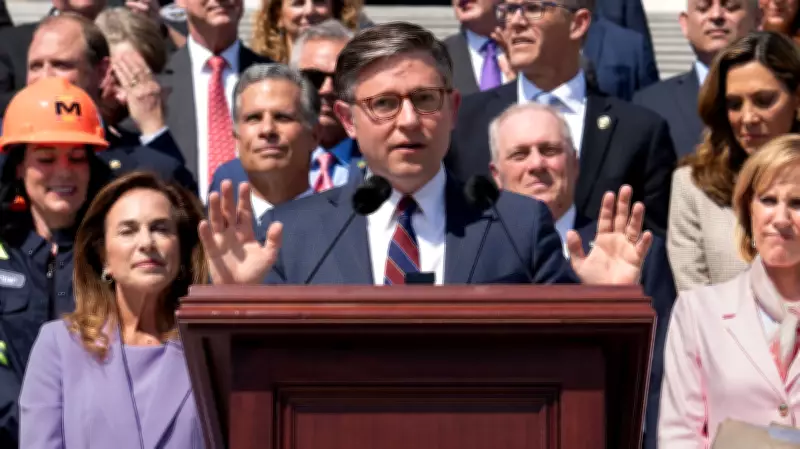
The effort ultimately collapsed when a key procedural vote fell short, doomed by GOP defections. Speaker Johnson expressed frustration, stating, "We were very close tonight." The House then proceeded to approve the short-term renewal, extending the program until the end of April.

Fiery Debate and Confusion
The floor debate late Thursday was heated, with Massachusetts Representative Jim McGovern kicking it off by asking, "Does anybody actually know what the hell is in this thing?" He added, "Are you kidding me? Who the hell is running this place?" This underscored the confusion and urgency surrounding the legislative process.
Section 702 at the Center
At the heart of the standoff is Section 702 of the Foreign Intelligence Surveillance Act (FISA). This provision permits agencies such as the CIA, National Security Agency, and FBI to collect and analyze vast amounts of overseas communications without a warrant. In doing so, it can incidentally sweep up communications involving Americans who interact with foreign targets.
U.S. officials argue that this authority is critical to disrupting terrorist plots, cyber intrusions, and foreign espionage. However, its path to passage has been precarious all week, as lawmakers weigh civil liberties concerns against intelligence officials' warnings about national security risks.
Political Maneuvering and Trump's Push
Speaker Johnson noted earlier Thursday, "There are a lot of opinions. We want to make sure that we have this very important tool for national security, but we also do it in a way that jealously guards constitutional rights." Trump and his allies had lobbied aggressively all week for a clean renewal of the program.
A group of Republicans traveled to the White House on Tuesday, and on Wednesday, CIA Director John Ratcliffe spoke directly with GOP lawmakers. House Majority Leader Steve Scalise revealed that there had "been negotiations late into the night with the White House and some of our members." Trump urged unity on Truth Social, writing, "I am asking Republicans to UNIFY, and vote together on the test vote to bring a clean Bill to the floor. We need to stick together."
Despite these efforts, the Republican revolt led to the short-term extension, setting the stage for further debates on surveillance and privacy in the coming months.