Iranian Parliament Speaker Issues Fiery Warning to US Amid Escalating Regional Conflict
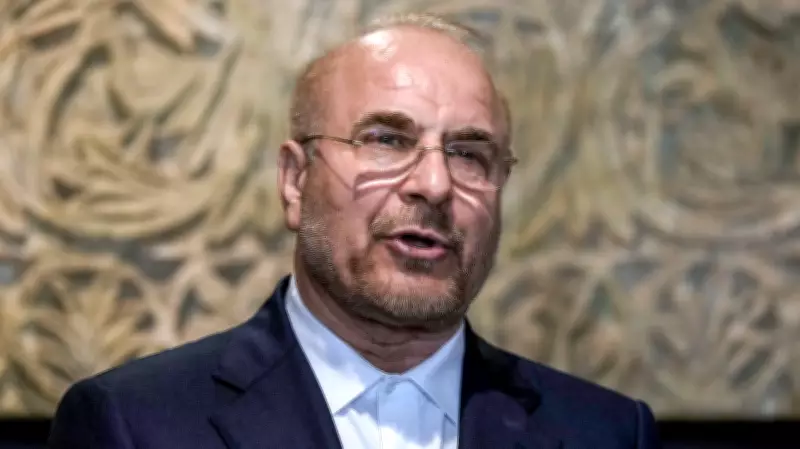
In a stark declaration on Sunday, Iranian Parliament Speaker Mohammad Bagher Qalibaf issued a severe warning to the United States, stating that Iranian forces are prepared to "set on fire" American troops if they deploy on the ground in the region. Qalibaf emphasized, "Our firing continues. Our missiles are in place. Our determination and faith have increased." This provocative statement underscores the heightened tensions as the Middle East conflict enters a critical phase, with diplomatic efforts intensifying to curb the violence.
Diplomatic Moves and Regional Meetings
As Qalibaf made his threats, key regional powers were converging in Pakistan for urgent talks aimed at de-escalating the war. Saudi Foreign Minister Prince Faisal bin Farhan arrived in Islamabad on Sunday, with Turkey and Egypt expected to send senior diplomats to participate. The discussions focus on strategies to end the fighting, which has already drawn in about 2,500 U.S. Marines and seen Iranian-backed Houthi rebels join the monthlong conflict. These diplomatic initiatives highlight the international community's growing concern over the spreading instability.
Economic and Global Ramifications
The war's impact extends far beyond the battlefield, threatening global economic stability. Key chokepoints like the Strait of Hormuz, controlled by Iran, have shaken markets, driving up oil and natural gas prices. Fertilizer shortages and disrupted air travel add to the turmoil. Christopher Knittel, an energy economist at MIT, noted, "The ramifications of this war are going to be long-lived," citing infrastructure destruction that could prolong economic pain for months or even years. The Houthis' potential targeting of vessels in the Bab el-Mandeb Strait, a vital trade route handling 12% of global commerce, further risks global shipping.

Military Developments and Casualties
On the ground, military actions continue to escalate. Israel's military spokesperson, Col. Nadav Shoshani, confirmed close coordination with the U.S. in responding to Houthi missile launches, warning that many more targets remain. Meanwhile, funerals were held in Lebanon for three journalists killed in an Israeli airstrike, with mourners chanting anti-American and anti-Israeli slogans. In Gaza, six Palestinians, including police officers, were killed in Israeli strikes, adding to the civilian toll. The U.S. condemned attacks in Irbil, Iraq, where Iran-aligned militias targeted American facilities, underscoring the conflict's widening geographic scope.
International Reactions and Additional Threats
Other nations and leaders have weighed in on the crisis. Pope Leo XIV rejected claims that God justifies war, praying for Christians affected by the conflict. The UAE adviser Anwar Gargash labeled Iran as the "main threat" to Persian Gulf security, calling for guarantees against future attacks. Iran's Revolutionary Guard issued a new threat, warning it would target Israeli and American educational facilities unless the U.S. condemns bombings of Iranian universities by Monday. This marks the first time Iran has explicitly threatened such civilian institutions, raising stakes in the diplomatic standoff.
As diplomatic efforts unfold in Pakistan, the region remains on edge, with military posturing and economic disruptions signaling a protracted and complex conflict that could reshape global dynamics.