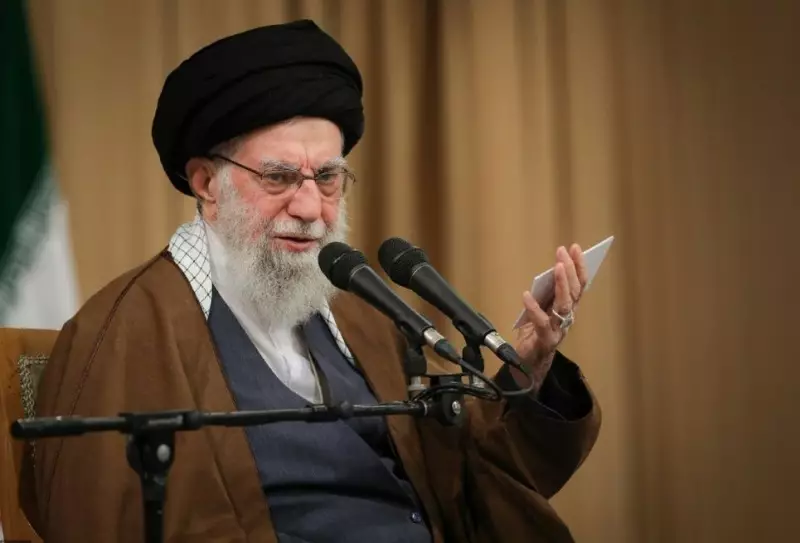
Iran's Supreme Leader Ayatollah Ali Khamenei, the unwavering pillar of the nation's theocratic system since the 1979 Islamic Revolution, is potentially confronting the most formidable challenge of his lengthy rule. The 86-year-old cleric has maintained dominance over Iran for more than three-and-a-half decades, but analysts suggest his grip on power is now facing unprecedented pressure.
A Reign Forged in Crisis and Control
Ali Khamenei assumed the role of supreme leader for life in 1989, following the death of the revolution's founder, Ayatollah Ruhollah Khomeini. His tenure has been defined by a consistent strategy of suppressing dissent while engaging in strategic political manoeuvring to preserve the Islamic Republic's power structure.
Throughout his rule, Khamenei has successfully weathered numerous internal storms. He overcame the 1999 student demonstrations, the massive 2009 protests that erupted after disputed presidential elections, and the 2019 demonstrations that were met with a rapid and brutal crackdown by state security forces.

More recently, he survived the widespread "Woman, Life, Freedom" movement in 2022-2023. This protest wave was sparked by the death in custody of Mahsa Amini, a young Iranian Kurdish woman arrested for allegedly violating the country's strict female dress code. The movement represented a profound, youth-led challenge to the regime's social controls.
Recent Conflicts and a Defiant Stance
The challenges to Khamenei's rule have extended beyond domestic unrest. In June of this year, a 12-day conflict with Israel exposed significant vulnerabilities, including deep Israeli intelligence penetration that led to airstrikes killing key Iranian security officials. Reports indicated Khamenei was forced to go into hiding during this period for his security.
Despite these threats, the supreme leader emerged last Friday to deliver a characteristically defiant speech addressing the latest nationwide protests. In the address, which was pre-recorded and broadcast on state television, he denounced the protesters as a "bunch of vandals" backed by the United States and Israel. This rhetoric aligns with his long-standing narrative that internal dissent is primarily orchestrated by foreign enemies.
An Isolated Leader on Shaky Ground
While the current wave of protests may have been temporarily thwarted by a crackdown that rights groups say has left thousands dead, analysts believe the foundation of Khamenei's authority is now more fragile. The International Crisis Group noted in a recent report that while the system has repeatedly crushed popular challenges with an iron fist, this approach has only bought time without addressing the root causes of public discontent.
Khamenei lives under extremely tight security due to the constant threat of assassination, likely from Israeli or U.S. operations. His public appearances are infrequent, never announced in advance, and never broadcast live. Mirroring a precedent set by Khomeini, the supreme leader never travels outside of Iran. His last known foreign trip was an official visit to North Korea in 1989, when he was serving as president.
Now, at 86 years old and after navigating a career filled with crises, Ali Khamenei's ultimate test may be sustaining a system that has relied heavily on coercion, amid a population where grievances continue to simmer and erupt. The strategic manoeuvring that defined his past successes may be reaching its limit in the face of persistent and evolving domestic opposition.