Iran's national currency, the rial, has plummeted to a historic low against the U.S. dollar, as a fragile ceasefire between Iran, the United States, and Israel continues to hold. The economic turmoil underscores the severe impact of international sanctions and military tensions on Iran's economy.
Record Low for the Rial
The rial fell to unprecedented levels on April 29, 2026, trading at more than 1 million rials per dollar in unofficial markets. This depreciation marks a sharp decline from earlier this year, when the currency was already under significant pressure following U.S.-Israeli airstrikes on Iranian oil facilities in March.
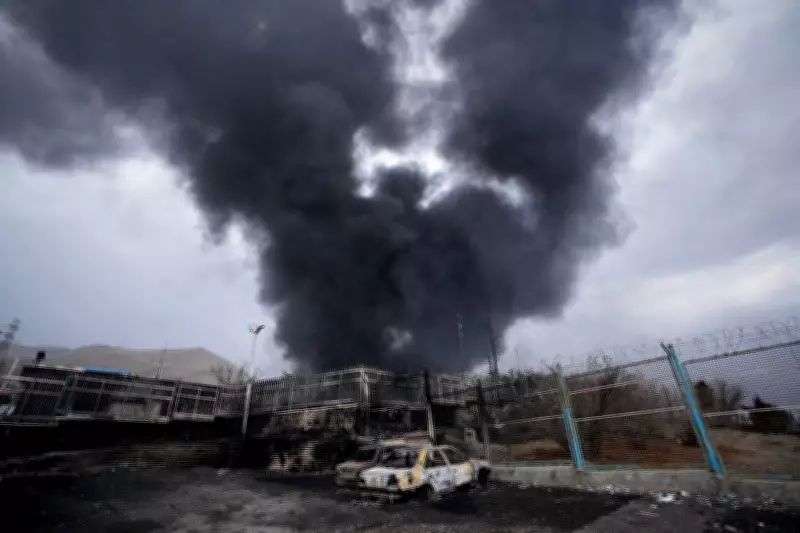
Analysts attribute the drop to a combination of factors, including ongoing sanctions, reduced oil revenues, and investor uncertainty about the durability of the ceasefire. The strikes in March targeted key oil storage infrastructure in Tehran, causing a thick plume of smoke to rise over the city, as captured by AP photographer Vahid Salemi.

Ceasefire Under Strain
The current ceasefire, brokered through international mediators, has been shaky since its inception. While it has prevented further large-scale military confrontations, neither side has shown willingness to make lasting concessions. Iran continues to demand the lifting of sanctions, while the U.S. and Israel insist on verifiable guarantees regarding Iran's nuclear program.
Economic experts warn that without a durable political solution, the rial's decline could accelerate, leading to higher inflation and reduced purchasing power for ordinary Iranians. The situation has already sparked protests in some cities, though security forces have moved to contain unrest.
Broader Implications
The currency crisis is part of a wider economic downturn in Iran, where unemployment and poverty rates have risen sharply. The rial's collapse also complicates Iran's ability to import essential goods, including food and medicine, exacerbating humanitarian concerns.
International observers are closely watching the situation, as a complete economic meltdown in Iran could have regional security implications. The ceasefire, while holding for now, remains fragile, and any renewed hostilities could further destabilize the country's economy.