European states have accused Russia of attempting to erase the memory of Soviet dictator Joseph Stalin's crimes after a monument dedicated to victims of his regime disappeared from a public square. The monument, located in a town near Moscow, was reportedly removed overnight without official explanation, sparking outrage among human rights groups and European diplomats.
Monument Removal Sparks Condemnation
The disappearance of the monument, which commemorated those who perished in Stalin's purges, has been condemned by several European governments. They argue that the removal is part of a broader effort by the Kremlin to rehabilitate Stalin's image and downplay the atrocities committed under his rule. The incident has reignited debates about how Russia handles its Soviet past.
European Response
European Union foreign policy chief issued a statement expressing concern over the monument's removal, calling it a deliberate act of historical revisionism. Several member states have demanded that Russia provide an explanation and restore the monument. The controversy comes amid heightened tensions between Russia and the West over issues ranging from Ukraine to human rights.

Russia's Position
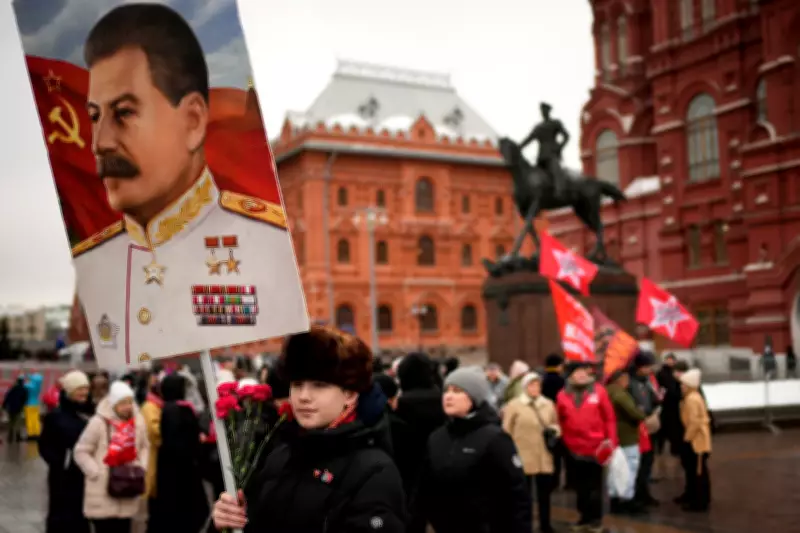
Russian officials have denied any wrongdoing, claiming that the monument was moved for renovation or relocation purposes. However, no timeline for its return has been provided, leading to skepticism among critics. Some Russian lawmakers have defended Stalin's legacy, arguing that he played a key role in defeating Nazi Germany during World War II.
Human rights advocates warn that the erasure of such monuments is part of a wider trend in Russia to whitewash historical crimes. They point to recent educational reforms and state-sponsored media campaigns that portray Stalin in a more positive light. The controversy highlights the ongoing struggle over historical memory in post-Soviet Russia.