Israel's Supreme Court Upholds Aid Operations in Gaza Amid Escalating Conflict
In a significant legal development, Israel's Supreme Court has ruled that humanitarian aid organizations may continue their critical work in the Gaza Strip. This judicial decision arrives concurrently with reports of Israeli military strikes in the region, which have resulted in the deaths of five individuals.
Court Ruling Supports Humanitarian Access
The court's ruling represents a pivotal moment in the ongoing Israel-Hamas conflict, explicitly permitting international and local aid groups to maintain their operations. These organizations provide essential services, including food distribution, medical assistance, and shelter support to Gaza's civilian population, which has been severely impacted by prolonged hostilities.
Legal experts note that this decision underscores the judiciary's role in balancing national security concerns with international humanitarian law obligations. The ruling potentially prevents further deterioration of the humanitarian situation by ensuring continued access to life-saving aid.

Military Strikes Intensify Amid Legal Proceedings
While the court deliberated, Israeli military operations in Gaza continued, with recent strikes claiming five lives. The Israeli Defense Forces (IDF) stated these actions targeted Hamas infrastructure and operatives, responding to ongoing security threats. However, Palestinian health officials reported that the casualties included civilians, highlighting the complex and tragic human cost of the conflict.
The timing of these events illustrates the volatile environment in which aid organizations must operate, facing both legal challenges and physical dangers. Aid workers have repeatedly emphasized the urgent need for protected humanitarian corridors to safely deliver assistance.
Humanitarian Crisis Deepens in Gaza
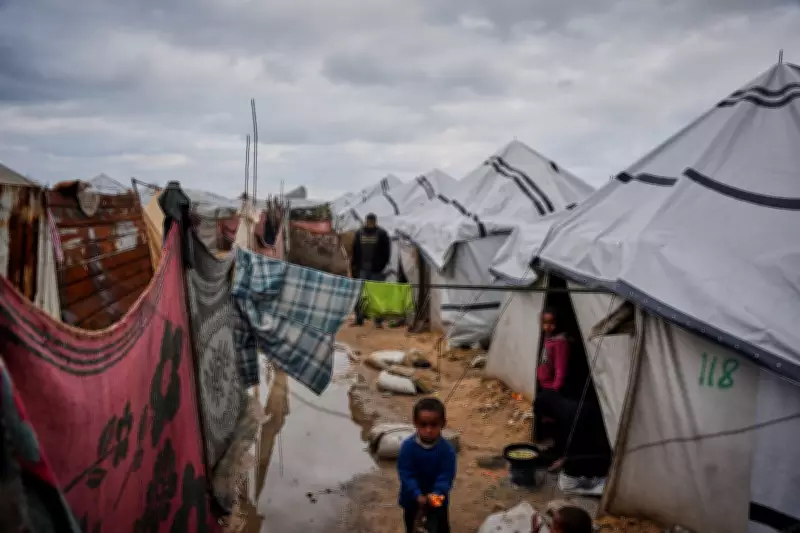
The Gaza Strip has endured substantial damage to its infrastructure, including hospitals, schools, and residential areas, exacerbating an already dire humanitarian crisis. Millions of residents face shortages of clean water, electricity, and medical supplies, with many displaced from their homes.
- Over 75% of Gaza's population relies on humanitarian aid for basic survival.
- Healthcare facilities are operating at limited capacity due to damage and resource constraints.
- Economic activity has nearly halted, leading to widespread unemployment and poverty.
International observers warn that without sustained aid efforts, the situation could escalate into a full-scale catastrophe, with severe implications for regional stability.
International Response and Future Implications
The international community has closely monitored these developments, with several nations and United Nations agencies calling for an immediate ceasefire and unimpeded humanitarian access. The court's ruling is seen as a positive step, but advocates stress that more must be done to protect civilians and ensure compliance with international law.
Looking ahead, the implementation of the court's decision will be critical. Aid groups must navigate logistical hurdles and security risks to effectively deliver services. Meanwhile, diplomatic efforts continue to seek a lasting resolution to the conflict, though prospects for peace remain uncertain amid ongoing violence.
This ruling may set a precedent for how courts address humanitarian issues in conflict zones, potentially influencing future legal frameworks and operational protocols for aid delivery in similar crises worldwide.