Federal Judge Dismisses Subpoenas Against Federal Reserve Chair Jerome Powell
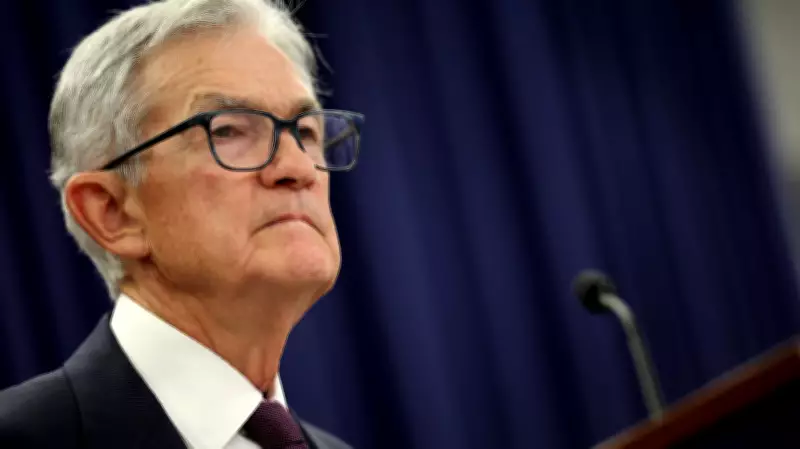
A federal judge has dismissed subpoenas issued as part of a criminal investigation into Federal Reserve Chair Jerome Powell, labeling them as 'mere pretexts' in a ruling delivered on Friday. The decision highlights significant legal scrutiny over the motivations behind the investigation, which has drawn attention amid political tensions.
Judge's Ruling Criticizes Lack of Evidence
In the court's decision, the judge explicitly stated that 'the Government has offered no evidence whatsoever that Powell committed any crime other than displeasing the President.' This statement underscores the judge's view that the subpoenas were not based on substantive criminal allegations but rather on political dissatisfaction, raising questions about the integrity of the investigative process.
The dismissal of these subpoenas marks a pivotal moment in the ongoing legal proceedings, as it challenges the basis for targeting a high-profile official like Powell. The ruling emphasizes the need for concrete evidence in criminal investigations, particularly when involving figures in key economic roles.

Implications for the Federal Reserve and Political Landscape
This development could have far-reaching implications for the Federal Reserve's operations and its leadership under Powell. By dismissing the subpoenas, the judge has potentially shielded Powell from further legal harassment, allowing him to focus on monetary policy without the distraction of unfounded criminal probes.
Moreover, the case sheds light on the broader issue of how political conflicts can influence legal actions against public officials. It serves as a reminder of the importance of maintaining judicial independence and ensuring that investigations are conducted based on factual grounds rather than political motives.
As this story continues to evolve, stakeholders in the financial and political sectors will be closely monitoring for updates. The dismissal may prompt discussions on legal reforms to prevent similar situations in the future, emphasizing transparency and accountability in government investigations.