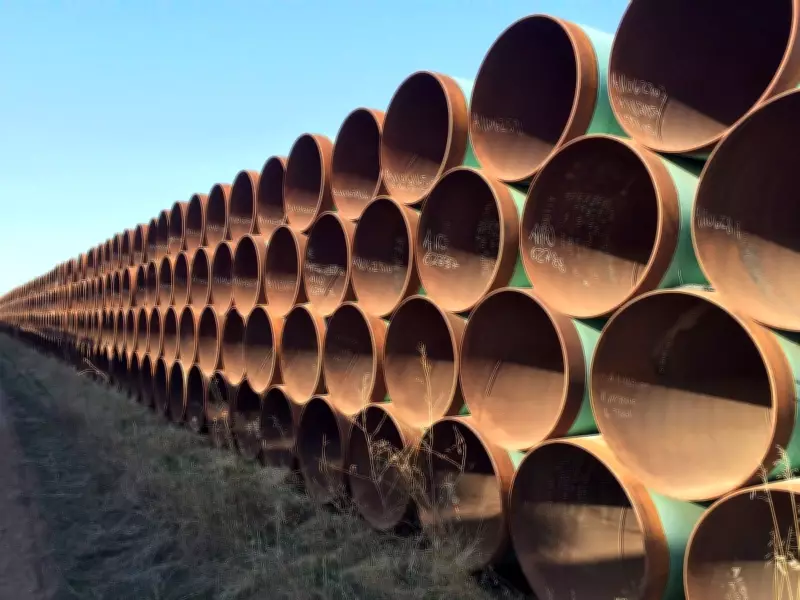
In a significant development for North American energy and trade relations, Liberal Member of Parliament Corey Hogan has publicly characterized the potential revival of the Keystone XL pipeline as a pivotal bargaining tool in Canada's ongoing trade negotiations with the United States. This statement follows a Reuters report indicating that the Trump administration is actively collaborating with Canadian officials on a partial restoration of the controversial cross-border pipeline project.
A Strategic Asset in Diplomatic Discussions
MP Hogan, in recent remarks, emphasized that the Keystone XL pipeline represents "one of the cards" Canada holds in its diplomatic engagements with its southern neighbor. The pipeline, designed to transport crude oil from Alberta's oil sands to refineries in the United States, has been a longstanding point of contention, facing numerous political and environmental hurdles over the years.
The discussions around its revival come at a critical juncture, as both nations navigate complex trade agreements and economic partnerships. Hogan's comments underscore the pipeline's role not merely as an infrastructure project but as a strategic element in broader bilateral negotiations, potentially influencing tariffs, regulatory alignments, and energy security protocols.

Broader Context and Implications
This development occurs amidst a backdrop of other significant political and economic events. For instance, Global Affairs Canada is reportedly implementing workforce adjustments, including layoffs of highly skilled diplomats, as part of organizational restructuring. Simultaneously, the timeline for Ottawa's review of fighter jet acquisitions remains uncertain, according to statements from Saab's CEO.
On the trade front, the Keystone XL talks highlight the intricate balance between energy exports and environmental considerations. The pipeline's partial revival could bolster Canada's oil sector, providing economic benefits but also reigniting debates over climate commitments and indigenous land rights, particularly in northern Alberta where carbon storage projects face opposition.
Economic and Political Ramifications
The potential reinstatement of Keystone XL is poised to impact various sectors. In business, the S&P/TSX composite has shown gains linked to rising oil prices, reflecting market sensitivity to energy developments. Moreover, this move could influence domestic policies, such as those around non-consensual AI content in Alberta, by setting precedents for federal-provincial collaboration on contentious issues.
Internationally, the negotiations may affect Canada's stance on global affairs, including responses to events like U.S. fuel exports to Cuba's private sector or cyberattacks in Poland. Hogan's framing of the pipeline as a bargaining chip suggests a calculated approach to leveraging natural resources in diplomatic strategy, aiming to secure favorable terms in trade deals while addressing domestic economic priorities.
Looking Ahead
As talks progress, stakeholders from both countries will closely monitor developments. The outcome could shape not only cross-border energy flows but also the broader Canada-U.S. relationship, influencing areas from environmental regulations to technological cooperation. With MP Hogan's remarks bringing this issue to the forefront, the Keystone XL pipeline remains a symbol of the complex interplay between energy, politics, and international trade in North America.