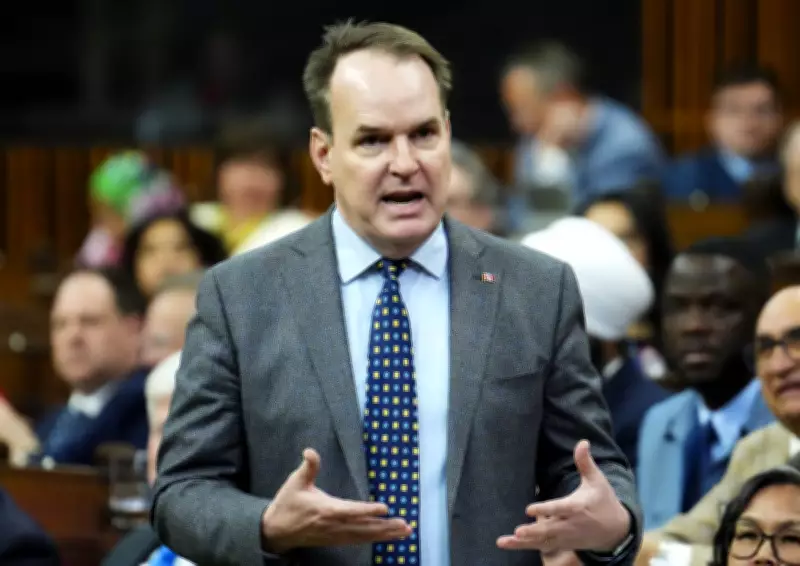
Liberals Move to Take Control of House Committees Now That They've Secured Majority
In a decisive political maneuver, the Liberal government is moving to take control of House of Commons committees following their recent achievement of a parliamentary majority. This development grants the Liberals significant power to shape legislative processes and oversee government operations, fundamentally altering the balance of power in Ottawa.
A Strategic Shift in Parliamentary Dynamics
With their newly secured majority, the Liberals can now dominate committee memberships and leadership positions. This control enables them to set agendas, prioritize bills, and influence the direction of investigations into government activities. Steven MacKinnon, the government House leader, emphasized that this move is essential for advancing their policy objectives efficiently.
"Securing a majority allows us to implement our mandate effectively," MacKinnon stated during a recent question period on Parliament Hill. "Committee control is a natural step in ensuring that legislative work proceeds without unnecessary obstruction."

Implications for Opposition Parties
The shift diminishes the influence of opposition parties, who previously used committee roles to scrutinize government actions and propose amendments. Now, with Liberals holding key positions, opposition members may find it challenging to challenge government initiatives or launch independent inquiries.
This change comes amid other parliamentary developments, including:
- A motion to oust Russ Wyatt from five committees and boards, which has cleared a procedural hurdle.
- The House ethics committee voting to question the finance minister regarding an Alto connection.
- Former Tory leaders urging Conservative leader Pierre Poilievre to focus on policy rather than floor-crossings.
Broader Political Context
The Liberals' committee takeover reflects broader trends in Canadian politics, where majority governments often centralize control to expedite legislative agendas. It also intersects with ongoing debates about parliamentary ethics and transparency, as seen in recent committee actions.
As the Liberals consolidate their power, observers note that this move could streamline lawmaking but may also reduce bipartisan collaboration. The coming months will reveal how this new dynamic impacts key issues, from economic policy to social programs, in the House of Commons.