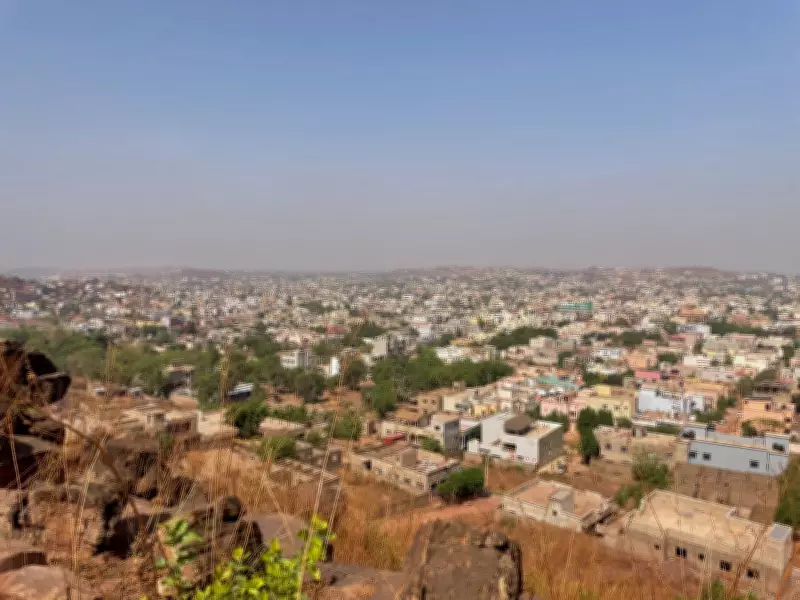
Mali separatist groups have confirmed that they joined forces with Islamic militants in a series of coordinated attacks, marking a significant escalation in the country's ongoing conflict. The announcement came on Saturday, April 25, 2026, following days of violence that has raised concerns about regional stability.
Details of the Attacks
The coordinated assaults targeted multiple locations across Mali, including military outposts and civilian areas. According to reports, the separatists and militants worked together to maximize impact, using advanced tactics and weaponry. The attacks resulted in numerous casualties, though exact figures remain unclear as authorities continue to assess the damage.
Shift in Alliances
This collaboration represents a notable shift in the dynamics of Mali's conflict. Historically, separatist groups in northern Mali have pursued independence or autonomy, while Islamic militants have sought to impose sharia law. Their newfound cooperation suggests a strategic realignment, potentially aimed at overwhelming government forces and international peacekeepers.

Analysts warn that this alliance could complicate peace efforts and lead to further violence. The Malian government, backed by French and UN troops, has struggled to contain insurgencies in the region since 2012.
International Response
The international community has condemned the attacks. The United Nations called for an immediate cessation of hostilities and urged all parties to return to the negotiating table. France, which has a military presence in Mali, expressed solidarity with the government and pledged continued support.
Neighboring countries, including Niger and Burkina Faso, have heightened security along their borders, fearing spillover violence. The African Union has also condemned the attacks and called for a coordinated regional response.
Humanitarian Impact
The violence has displaced thousands of civilians, many of whom are seeking refuge in overcrowded camps. Humanitarian organizations are struggling to provide aid due to insecurity and limited access. The United Nations Office for the Coordination of Humanitarian Affairs has warned of a growing crisis, with food and medical supplies running low.
Local communities have borne the brunt of the attacks, with reports of villages being burned and residents fleeing their homes. The coordinated nature of the assaults has made it difficult for aid workers to reach affected areas safely.
Historical Context
Mali has been plagued by instability since 2012, when Tuareg separatists and Islamist militants seized control of the northern region. A French-led military intervention in 2013 pushed the militants back, but they regrouped and continue to launch attacks. The separatists, meanwhile, have maintained their demands for autonomy, occasionally clashing with both government forces and militant groups.
The recent coordination between separatists and militants marks a departure from previous patterns, where the two sides often fought each other. Experts suggest that shared grievances against the government and a desire to exploit political vacuums may have driven the alliance.
The situation remains fluid, with fears of further attacks. The Malian government has vowed to restore order, but faces significant challenges given the vast and remote terrain of the Sahel region.