DUBAI — The fragile, weeks-long U.S.–Iran ceasefire was shattered Monday when Iran launched missiles and drones at vessels in the Strait of Hormuz and toward the United Arab Emirates, leaving several injured.
When my phone blared emergency alerts for the first time in weeks, warning of a “potential missile” attack, I — like many others — briefly hoped it was a technical glitch. That hope quickly faded as the alerts kept coming, again and again over the next few hours.
The bleak reality set in moments later, when authorities confirmed that air defences had intercepted three of the four missiles fired from Iran, while the fourth plunged into the sea.

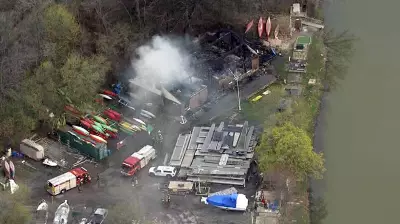
Then came the next shock: news of a major escalation, as a large fire erupted at the key Fujairah Oil Industry Zone after it was struck by a drone attack from Iran.
It marks a significant escalation because the UAE has, over the past two months, developed the Fujairah port as a strategic alternative to bypass the closure of the Strait of Hormuz. The facility now underpins roughly half of the UAE’s total crude oil exports, making it a critical node in the country’s energy infrastructure and regional contingency planning.
Three Indian nationals were reported injured in the strike, officials confirmed, underscoring a rapidly widening conflict in which vital civilian infrastructure is now coming under direct attack.
Then came an Iranian statement that appeared to attempt to walk back the escalation, denying responsibility for the strike on the Fujairah oil facility.
Many are asking what prompted Iran’s surprise, preemptive strikes. The catalyst lies in the Strait of Hormuz — the vital waterway through which roughly 20 per cent of the world’s oil flows — which has been effectively closed for over two months following the outbreak of hostilities between the United States, Israel, and Iran.
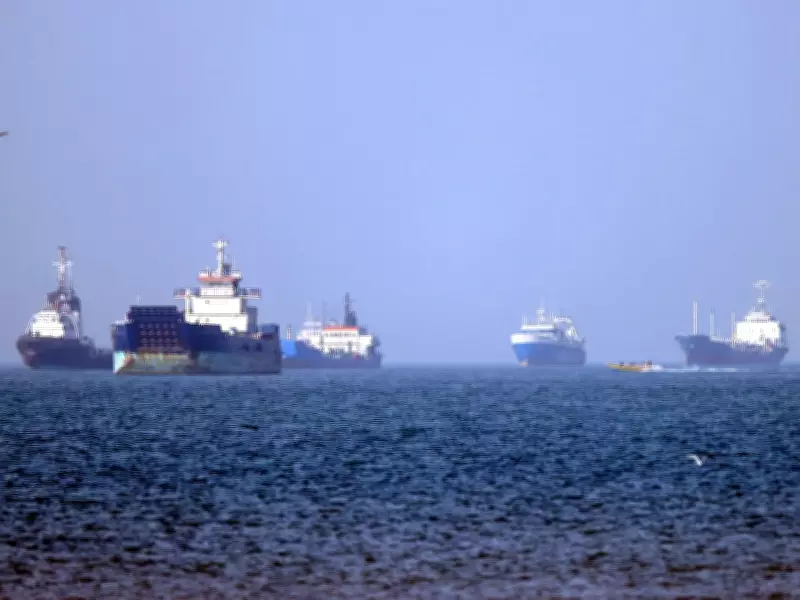
As the news trickled in, it became evident that a South Korean cargo vessel anchored near the United Arab Emirates had been hit by an explosion and fire — reportedly linked to Iranian activity.
Moments later, the picture sharpened. A UAE-linked vessel had been hit in a drone attack targeting a tanker tied to ADNOC Logistics & Services in the Gulf of Oman, igniting a fire.
I held my breath when Iranian state media claimed to have fired two warning shots at a U.S. Navy destroyer. If true, that would have immediately signalled a full-scale U.S. response — but Washington denied the attack.
Then came reports of more escalation: U.S. Central Command announced that American forces had sunk six Iranian small boats in the Strait of Hormuz, in an operation reportedly carried out by Apache and MH-60 Seahawk helicopters.
Weeks of back-and-forth negotiations in Pakistan yielded no breakthrough. Washington and Tehran remained locked in disagreement over the nuclear file, Iran’s proxy networks, lifting the U.S. sanctions, and the future of the opening Strait of Hormuz. Yet, amid the stalemate, a faint glimmer of hope persisted when President Donald Trump announced that Operation Epic Fury had come to an end.