Mojtaba Khamenei Ascends to Supreme Leadership in Iran After Father's Assassination
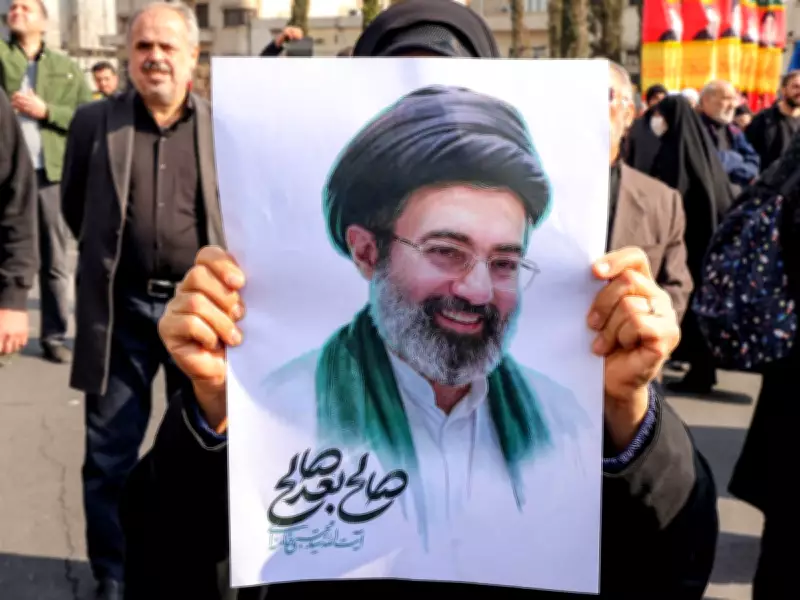
In a significant political development, Mojtaba Khamenei, the 56-year-old son of the late Iranian leader, has been officially named as the new supreme leader of the Islamic Republic. This appointment comes following the assassination of his father, Ali Khamenei, by combined U.S. and Israeli military operations, as reported by Iranian state television on Sunday.
Parliamentary Endorsement and Official Announcement
The speaker of the Iranian Parliament confirmed the selection through state media, describing the decision as "definitive and precise" and characterizing the new leader as a "soothing balm" for the nation. Further praise highlighted Mojtaba Khamenei's qualities as faithful, revolutionary, courageous, and prudent, underscoring the regime's confidence in his leadership capabilities during this turbulent period.
U.S. Sanctions and International Scrutiny
Mojtaba Khamenei's elevation occurs against a backdrop of intense international scrutiny. The United States government had previously sanctioned him in 2019, with the U.S. Treasury Department noting that he represented his father in an official capacity despite never holding an elected or appointed government position. Federal authorities emphasized that he worked closely with Iran's Revolutionary Guard Corps and Basij Resistance Force to advance what they described as destabilizing regional ambitions and oppressive domestic objectives.

Political Reactions and Trump's Comments
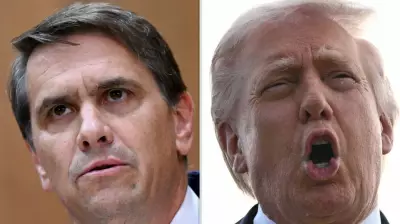
The appointment has drawn sharp criticism from U.S. leadership. Former President Donald Trump recently told Axios that "Khamenei's son is unacceptable to me" and expressed a desire for a leader who would bring harmony and peace to Iran. Trump dismissed Mojtaba Khamenei as a "lightweight" and asserted the need for U.S. involvement in the appointment process, reflecting ongoing tensions between the two nations.
Background and Implications
Mojtaba Khamenei had long been considered a likely successor to his father, particularly after the assassination created a leadership vacuum. His new role places him at the helm of one of the Middle East's most influential nations, with immediate challenges including:
- Navigating international sanctions and diplomatic isolation
- Addressing domestic stability following his father's violent death
- Managing regional conflicts and Iran's strategic ambitions
- Responding to criticism from Western powers regarding his legitimacy
The transition marks a critical moment in Iran's political landscape, with the son now assuming the mantle of supreme leadership that his father held for decades. Observers will be watching closely to see how Mojtaba Khamenei navigates these complex challenges while maintaining the revolutionary principles that have defined the Islamic Republic.