Myanmar's Parliament Elects Military Chief as President, Cementing Army Control
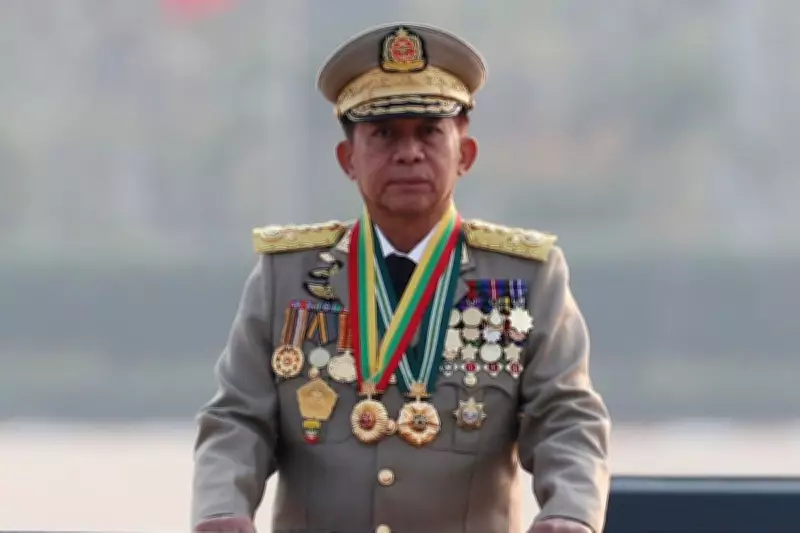
In a move that solidifies the military's grip on power, Myanmar's parliament has elected Senior General Min Aung Hlaing as the country's new president. The election, held on April 3, 2026, ensures the ruling army maintains control over the government, continuing a long-standing tradition of military dominance in Myanmar's political landscape.
Continuation of Military Rule
The election of Min Aung Hlaing, who currently serves as the head of Myanmar's military council, represents a significant reinforcement of army authority. This development comes despite international criticism and domestic unrest regarding the military's role in governance. The general's elevation to the presidency follows his prominent position within the armed forces, where he has been a central figure in military parades and state functions, including the recent commemoration of Myanmar's 78th Armed Forces Day in Naypyitaw.
Political Implications and Regional Context
This parliamentary decision underscores the military's unwavering influence in Myanmar, a nation that has experienced decades of army-led rule. The election process, while formalized through parliamentary procedures, reflects the broader power dynamics where the military retains substantial control over political institutions. Analysts suggest this move may further entrench the army's position, potentially impacting Myanmar's relations with neighboring countries and international bodies that have expressed concerns about democratic backsliding.

Background and Historical Precedents
Myanmar has a complex history of military involvement in politics, with the army playing a pivotal role since the country's independence. The election of Min Aung Hlaing follows patterns seen in previous years, where military figures have assumed presidential roles to maintain strategic oversight. This latest development occurs amidst a backdrop of regional political shifts and ongoing discussions about governance reforms in Southeast Asia.
The consolidation of military power through this presidential election highlights the challenges facing Myanmar's political evolution. As the country navigates internal and external pressures, the army's continued leadership role remains a defining feature of its governmental structure, shaping both domestic policies and international perceptions.