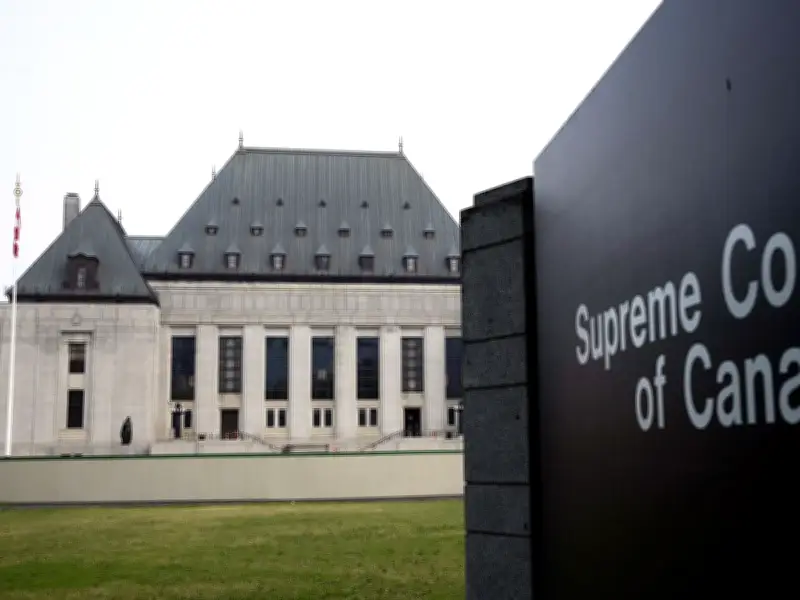
Prime Minister Mark Carney has named Manitoba Chief Justice Glenn Joyal to the Supreme Court of Canada, an appointment that signals a potential shift toward judicial modesty. Joyal, who has spent decades warning about the growing power of the judiciary, is known for arguing that courts have encroached on the role of legislatures, particularly since the adoption of the Charter of Rights and Freedoms in 1982.
A Judge Who Questions Judicial Power
Joyal's views on judicial restraint are not new. In a 2017 keynote address to the Law and Freedom Conference, he likened himself to a timid church organist sneaking off to play with subversive jazz musicians. He argued that the Charter's framers deliberately avoided the American language of 'due process' to prevent Section 7 from becoming a catch-all for new rights. Despite this, Section 7 has become 'the single most fertile source for the discovery of new rights,' according to Joyal. His remedy is not to strip courts of power but to have them exercise 'principled restraint.'
Controversial Ruling Upholds Pandemic Restrictions
Joyal's commitment to judicial modesty was tested in the 2021 Gateway Bible Baptist Church cases. Seven churches, backed by the Justice Centre for Constitutional Freedoms, challenged Manitoba's pandemic restrictions on worship as a violation of religious freedom under Section 2 of the Charter. Many expected Joyal, given his critiques of judicial overreach, to strike down the orders. Instead, he upheld them, writing that courts owe 'a requisite judicial humility' and lack the expertise to second-guess public health decisions made in real time. The Court of Appeal agreed, and the Supreme Court denied leave to appeal.

Integrity Under Scrutiny
During the case, Joyal learned that the head of the group arguing the challenge had hired a private investigator to follow him, hoping to catch him violating the very rules he was weighing. Joyal stated that the intrusion would not influence his decision, and it did not. His ruling demonstrated a rare commitment to principle over personal or ideological preference.
Implications for the Supreme Court
Joyal's appointment is seen as a victory for those who believe the judiciary has become too powerful. According to Ben Woodfinden, writing in the National Post, Joyal is 'that rare thing on a high court: a judge who thinks judges have become too powerful.' His presence on the Supreme Court could signal a new era of judicial restraint, where courts defer more to elected legislatures. However, critics argue that such restraint may undermine the Charter's protections for minority rights. Joyal's track record suggests he will carefully balance these concerns, but his appointment has already sparked debate about the future of Canadian jurisprudence.