Ontario Government Prolongs Secrecy Over Alcohol Pricing Plans
The administration of Premier Doug Ford, alongside Finance Minister Peter Bethlenfalvy, is intensifying efforts to conceal details of proposed increases to alcohol prices. This ongoing secrecy has sparked controversy, as the government now asserts it cannot disclose requested documents until the end of 2026, marking a significant delay from the original submission date.
Extended Delays and High Fees Thwart Transparency
Initially filed under the Freedom of Information Act on November 28, 2025, the request sought documents related to the wholesale liquor pricing model. By law, responses are mandated within 30 days, but the Finance Ministry has repeatedly extended this deadline. After imposing substantial search fees and multiple extensions, officials recently notified that processing will not conclude until December 28, 2026—over a year beyond the statutory requirement.
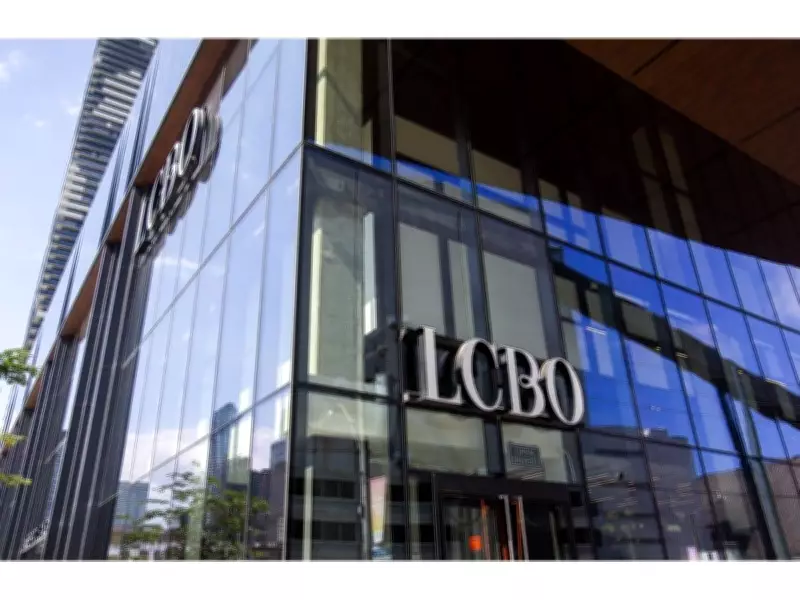
The backdrop to this issue traces to October of last year, when the LCBO announced revisions to its wholesale pricing system. These changes were part of a broader initiative, announced in May 2024, to expand beer and wine sales into convenience stores and other retailers while promising a fairer market. However, the proposed adjustments faced immediate opposition from industry stakeholders, including wineries, distillers, and restaurant owners, who warned of price hikes.

Industry Backlash and Government Reversal
Critics argued that the new pricing model would elevate costs significantly, with estimates suggesting a case of beer could rise by more than $5 and pint prices in pubs could increase by 25 to 30 cents. Spirits were projected to see at least a 4% increase, and wine prices would also climb. In response to the outcry, the Ford government paused the plans in November, pledging further consultations. This led to a revised scheme set for April 1, which has garnered more acceptance from the industry.
Despite this, Minister Bethlenfalvy has publicly denied that his proposals would drive up prices, even labeling reports as "misleading" and "100% wrong." However, a letter he authored to the LCBO chair in October explicitly outlined precise price increases, contradicting his statements and fueling accusations of evasion.
Accountability Concerns and Opaque Practices
The freedom of information request, which simply asked for draft and final documents analyzing price impacts, has been met with bureaucratic hurdles. In early December, the ministry sought clarification, followed by inquiries in January about the volume of documents and a demand for $420 in search fees, citing an estimated 5,000 pages of correspondence. After missing legal deadlines, officials cited the need for an additional 300 days to complete the task.
Sources indicate that the LCBO presented Bethlenfalvy with two options for simplifying pricing last year, both of which he rejected in favor of a third model that would impose higher costs on bars, restaurants, and convenience stores. This model, which triggered the industry revolt, remains shrouded in secrecy, raising questions about governmental transparency.
As the situation unfolds, calls for openness grow louder. If transparency is indeed the best remedy for accountability, it may be time for Queen's Park to embrace greater sunlight in its dealings.