Here is the most critical question for any candidate running for city councillor or mayor in the upcoming municipal election: what do they plan to do about Ottawa's $3.8 billion infrastructure deficit? This figure represents the gap between the tax dollars the city intends to spend on maintaining assets like roads, parks, and public buildings over the next decade and the amount actually required to keep them in good condition.
Councillors may point to a recently approved short-term fix, but it barely scratches the surface and avoids the core issue of raising taxes as part of the solution. The city's so-called long-range financial plan is exceptionally short, covering only two years. During this period, the city will spend an extra $6 million annually from taxes, redirect $3.5 million a year from assessment growth, withdraw $32 million from a capital reserve fund, and increase debt by $60 million per year.
Hard choices are inevitable, though they have been deferred. City staff have floated the idea of a dedicated infrastructure tax levy. In City Hall's ideal scenario, a tax increase is problematic, but a levy costing the same amount might be more palatable.

The baby-step approach is strategically driven. The electoral motive is clear: who wants to champion higher taxes just before an election? Additionally, the city hopes for increased capital support from federal and provincial governments. By identifying a massive problem and taking some action, the city can argue it is doing its share but cannot solve the issue alone. This strategy may partially succeed.
Nevertheless, Ottawa is in a dire situation, the result of years of underspending on maintenance and poor planning for predictable repair needs. The $3.8 billion figure actually understates the problem. Including water and sewer, the total infrastructure spending gap reaches $10.8 billion. Residents will pay $7 billion more in water and sewer rates over a decade, but since it is not called a tax, it is less controversial.
The problem comes in three sizes: large, extra-large, and 2XL. The 2XL version is the $10.8 billion total. The XL version is the $3.8 billion to be covered by taxes or debt. The large version is a $1.23 billion portion—the most urgent items the city is addressing first.
How did things get so bad? Years of politicians and staff inaction while maintenance liabilities grew faster than allocated funds. The six years before Mayor Mark Sutcliffe's election and the current council were particularly poor. To their credit, this council has increased tax spending on capital needs by 44 percent during its term. However, much more remains to be done.
What Candidates Must Address
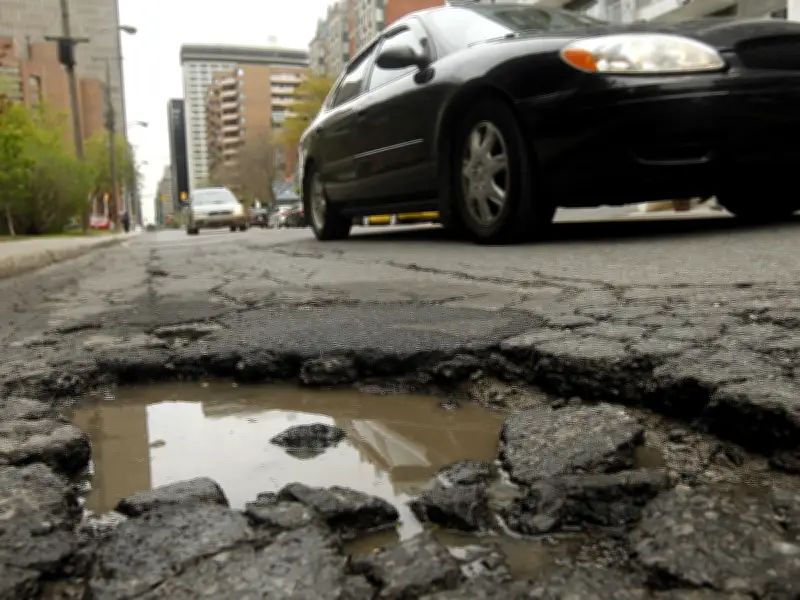
Every mayoral candidate should take a clear position on how to pay for repairing Ottawa's deteriorating roads and sidewalks. The infrastructure deficit is a double XL problem that demands honest discussion about taxes, levies, and long-term planning.