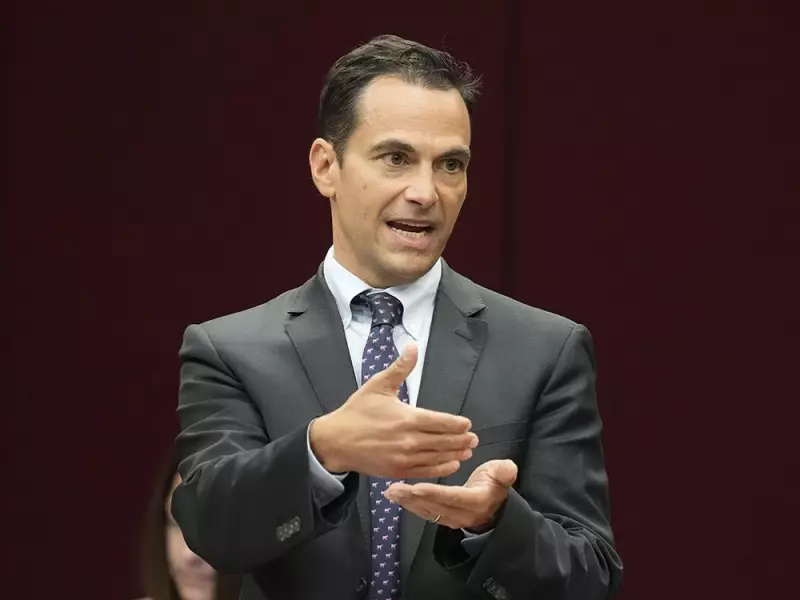
Canada's fiscal watchdog has delivered a stark assessment of the federal government's financial plans, indicating a low probability that the Carney administration will meet its self-imposed fiscal anchors established just months ago.
Watchdog's Grim Probability Assessment
Interim Parliamentary Budget Officer Jason Jacques told a parliamentary committee that there's only a 7.5 per cent chance the government will achieve its target of reducing Canada's deficit-to-gross domestic product ratio over each of the next few years. Jacques delivered this sobering analysis to the House of Commons' Government Operations and Estimates Committee on Thursday, following questioning from Conservative MP Philip Lawrence.
"Based on the analysis we've conducted, there is a low probability of respecting the fiscal anchors the government has set out for itself," Jacques stated during the committee appearance.

The Three Fiscal Anchors and Their Fate
The Carney government had originally established three key fiscal targets: balancing the operating budget within three years, achieving a declining deficit-to-GDP ratio over the next few years, and maintaining a declining debt-to-GDP ratio over the same period. However, the government's first budget released earlier this year notably dropped the third target concerning the debt-to-GDP ratio.
John Fragos, speaking for Finance Minister François-Philippe Champagne, defended the government's approach. The government's plan focuses on cutting operational areas like the public service while increasing spending on pro-growth investments in infrastructure for energy, artificial intelligence, and critical mineral industries.
"The government's fiscal anchors reflect the balance between fiscal prudence and the macroeconomic reality," Fragos said in an official statement.
Growing Criticism of Fiscal Policy
Jacques' latest comments continue his pattern of scrutinizing the Carney government's fiscal approach. In his initial weeks as Parliamentary Budget Officer, Jacques has characterized government spending as "stupefying," "shocking," and "unsustainable."
The PBO, an independent officer responsible for examining government revenue and expenditure, also criticized the federal government last week in a separate report. The watchdog accused the government of using an "overly expansive" definition of investments that could help Carney meet his first fiscal target. This accounting move, according to the PBO, shifts approximately $94-billion in daily spending over the next five years to the more favorable capital side of the ledger.
Capital spending typically includes physical assets such as infrastructure, housing, military equipment, and software—items often classified as "investments." Some capital expenditures, particularly those enhancing export efficiency through ports, rail, and transportation routes, can potentially boost productivity and economic growth.
The Parliamentary Budget Officer's assessment raises significant questions about the government's ability to maintain fiscal discipline while pursuing its investment agenda, setting the stage for continued parliamentary debate over Canada's economic direction.