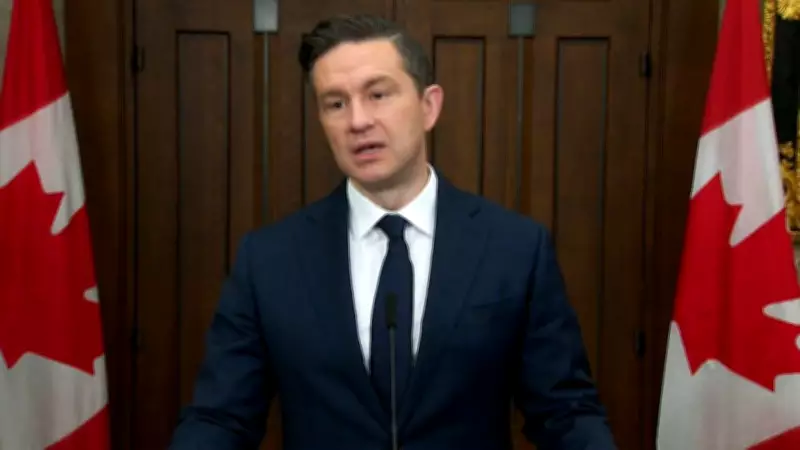
Conservative Leader Pierre Poilievre has firmly declared that he is not stepping down, despite his party suffering significant double-digit defeats in recent byelections. This statement comes as the political landscape shifts with the Carney government preparing to table its spring economic update later this month.
Poilievre's Resolute Stance Amid Electoral Setbacks
In the wake of disappointing byelection results, Poilievre emphasized his unwavering dedication to leading the Conservative Party. He asserted that these losses do not deter his long-term political strategy or his commitment to representing Canadian interests. Analysts suggest that these defeats could signal challenges for the Conservatives in upcoming federal elections, but Poilievre remains optimistic about rebuilding support.
Carney Government's Economic Moves
Simultaneously, the Carney government has announced a temporary suspension of the federal gas tax, set to begin next week. This measure aims to provide relief to consumers amid rising fuel costs and broader economic pressures. Prime Minister Carney, who recently entered his majority era, stated that he does not plan to call an election soon, focusing instead on implementing key policies like this tax cut.

Broader Political and Economic Context
The spring economic update, scheduled for April 28, is expected to outline further fiscal strategies. This update follows a period of political stability for the Liberals under Carney, who has emphasized a cautious approach to governance. The gas tax suspension is part of a broader effort to address inflation and support households, though critics argue it may have limited long-term impact.
Reactions and Implications
Political observers note that Poilievre's determination to stay on as leader could reshape Conservative dynamics, potentially leading to internal debates about party direction. Meanwhile, the gas tax cut has sparked discussions about its effectiveness and timing, with some provinces expressing concerns over related economic impacts, such as those highlighted by B.C.'s growth minister regarding Iran war effects.
As these developments unfold, both Poilievre and the Carney government face scrutiny from voters and analysts alike. The coming months will likely test their resilience and policy decisions in a rapidly evolving political environment.