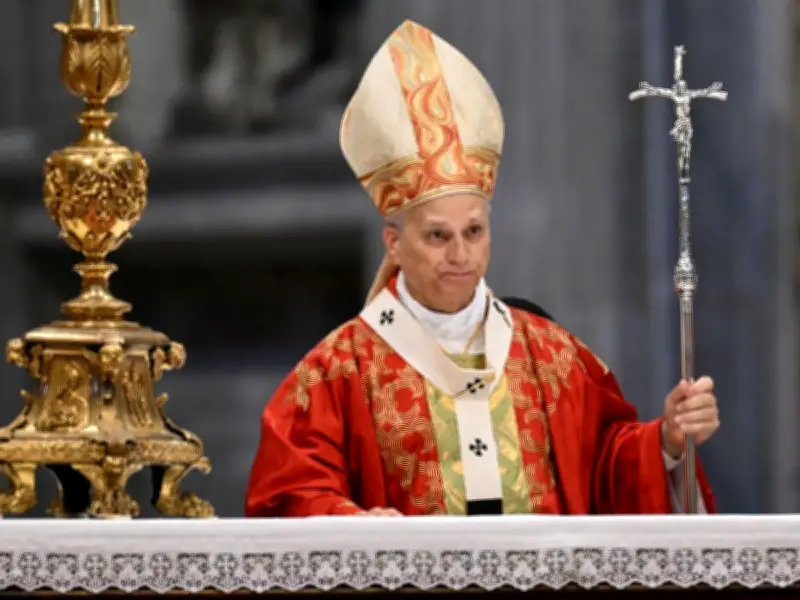
Pope Leo XIV excommunicated six bishops from the ultraconservative Society of St Pius X (SSPX) on July 2, 2026, and warned that lay believers who formally adhere to the group would face the same fate. The move, rooted in church law, targets a breakaway sect that rejects modernization.
Defiance of Church Authority
The excommunication stems from the SSPX's consecration of bishops without Vatican approval, one of about 12 crimes that can prompt such a penalty under Catholic doctrine. Catherine Ford, in a commentary for the Calgary Herald, describes the action as "about power and control, not religion." She draws parallels to other forms of defiance, such as Alberta separatists.
The SSPX, known for its ultra-traditionalist stance, insists on pre-Vatican II practices, including Latin masses and male dominance. Ford notes that while the church's modernization is slow, "even a diehard feminist can see an institution as old as the Catholic Church may need more than a few centuries to make real change."

Leadership Lesson in Compassion
Ford contrasts Pope Leo's approach with that of the U.S. administration, calling him "the humane opposite" and an example of "strong yet compassionate leadership." The Pope followed the law dispassionately, without bullying or demeaning dissenters. "He merely applied the doctrine in a fair manner," Ford writes, asking if there is a lesson for authorities who prefer to bully their way to action.
Statistics indicate about 53% of Canadians are Christian, with 30% Catholic—54% in Quebec and 20% in Alberta. The excommunication underscores the tension between tradition and change within the global church.