Pope Leo XIV Emerges as Trump's Unlikely Political Adversary Over Iran Conflict
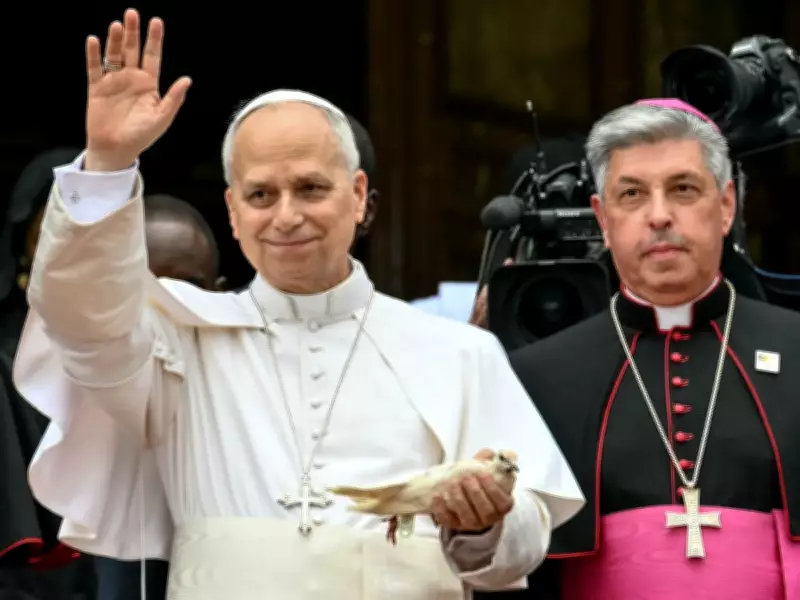
In a remarkable development that echoes historical tensions between religious and political powers, Pope Leo XIV has positioned himself as a formidable critic of President Donald Trump's administration, particularly regarding the escalating conflict with Iran. The pontiff's recent declaration, "I have no fear of the Trump administration," has transformed him into a global rallying point for opponents of the U.S. president's foreign policy decisions.
A Modern-Day Papal-Imperial Rivalry
The ongoing dispute between Pope Leo XIV and President Trump bears more resemblance to medieval conflicts between popes and emperors than to the cooperative Vatican-White House relationship that characterized the Cold War era. Over the past several days, the 70-year-old pontiff from Chicago has engaged in public exchanges with the 79-year-old president from Queens, creating an unprecedented dynamic in U.S.-Vatican relations.
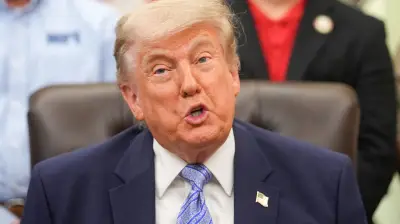
Trump recently called on the pope to "stop catering to the Radical Left and focus on being a Great Pope, not a Politician." In response, Pope Leo emphasized, "We are not politicians — we don't deal with foreign policy with the same perspective as he might understand it." Despite this distinction, the pontiff has deliberately entered the political arena of his homeland by mobilizing opposition to what he describes as an "unjust war" against Iran.

The American Pope's Unique Position
Born Robert Prevost, Pope Leo XIV represents a significant departure from his predecessor Pope Francis, who spoke limited English. As the first U.S.-born pope, Leo possesses linguistic and cultural advantages that enable him to engage directly with American political discourse in ways no previous pontiff could achieve. His American background provides him with unique insights into the nation's political landscape while maintaining the moral authority of his office.
According to Robert Jones, founder of the Public Religion Research Institute, "Trump does not really understand that he has run into a more than 1,500-year-old theological tradition — a set of moral teachings about war and violence. It is perhaps not the smartest thing to be picking a fight with the pope."
Political Implications and International Reactions
At a time when organized opposition to Trump remains fragmented both domestically and internationally, Pope Leo's criticism of administration policies could potentially influence electoral outcomes in the United States while creating political challenges for the president. The pontiff's popularity significantly exceeds Trump's according to recent polling data, with an NBC News survey last month showing Pope Leo with a 34-point net favorability rating compared to Trump's minus 12 rating in the same study.
Thomas Wright, a senior fellow at the Brookings Institution, observes that "Donald Trump is used to sycophancy from world leaders who are generally too terrified of his reprisals to oppose him. Trump can't use his normal tools of intimidation, like tariffs and abandoning security commitments, against the Vatican."
The president's criticism has generated backlash even among some allies, with Italian Prime Minister Giorgia Meloni characterizing Trump's attack on Pope Leo as "unacceptable." Vatican officials indicate that the pontiff's concerns reflect a growing ideological divide between Washington and the Catholic Church regarding the future of global governance and the ethical justification for using violence to resolve international disputes.
A New Chapter in Church-State Relations
Pope Leo XIV's emergence as a political counterweight to President Trump represents a significant evolution in the relationship between religious leadership and state power. Unlike other world leaders who might fear economic or military repercussions from the United States, the pontiff operates from a position of moral authority that transcends conventional political leverage.

As the conflict over Iran policy continues to unfold, the dynamic between the Vatican and White House promises to influence not only U.S. domestic politics but also international perceptions of American leadership. The pope's willingness to challenge presidential authority on matters of war and peace establishes a new paradigm for religious engagement in global affairs, particularly when those affairs involve the pontiff's country of origin.