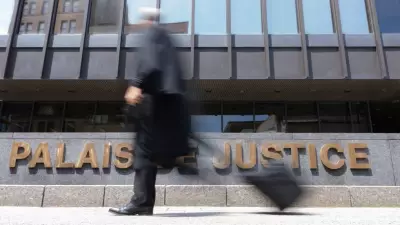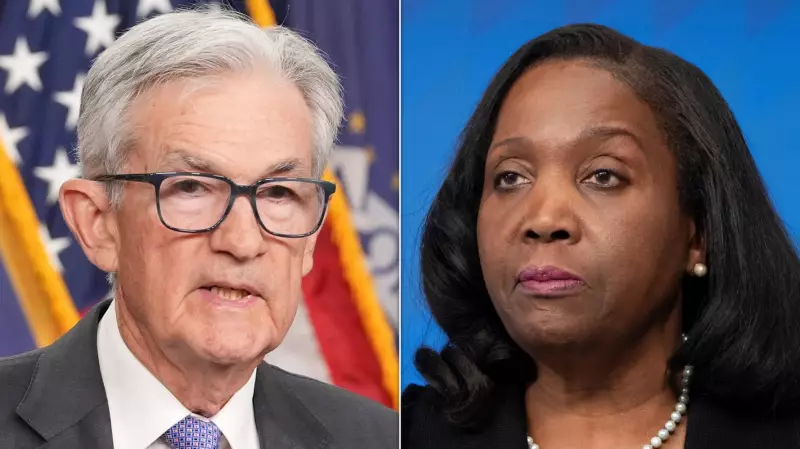
In a powerful and rare gesture, Federal Reserve Chair Jerome Powell will be present at the Supreme Court of the United States this Wednesday. He is attending to witness oral arguments in a high-stakes case concerning the attempted removal of Fed Governor Lisa Cook.
Unprecedented Legal Battle at the Highest Court
The central issue before the justices is whether former President Donald Trump possessed the legal authority to fire Lisa Cook, an official who was appointed by President Joe Biden. This move by the Trump White House represents an unprecedented attempt to oust a sitting Federal Reserve governor.
Powell's decision to attend the session, confirmed by a source familiar with his plans, marks a much more public demonstration of support for Governor Cook than he has shown previously. Trump first sought to dismiss Cook in late August.

Escalating Tensions Between the Fed and Trump
This show of solidarity follows a week of heightened conflict between the Federal Reserve and the former president's administration. Powell revealed last week that the Trump administration had issued subpoenas to the Fed, a move that threatens an unprecedented criminal indictment against the Fed Chair himself.
On January 11, Powell responded forcefully to this escalation. He released a video statement condemning the subpoenas. In it, he labeled them as "pretexts" for Trump's broader efforts to pressure him into making a sharp reduction in the Fed's key interest rate.
Implications for Central Bank Independence
The simultaneous legal battles—one at the Supreme Court and the other involving potential criminal charges—pose a profound challenge to the traditional independence of the U.S. central bank. Powell's physical presence in the courtroom underscores the gravity with which the Fed views these threats to its governance and operational autonomy.
Observers will be watching closely as the Supreme Court hears arguments that could redefine the limits of presidential power over independent regulatory agencies. The outcome could set a major precedent for the future of the Federal Reserve and other similar institutions.