The Stark Decline of Presidential Oratory: From Lincoln's Eloquence to Trump's Dyspepsia
In the quiet hills of southwestern Indiana, at the Lincoln Boyhood National Memorial, one encounters the humble beginnings of America's most eloquent president. Abraham Lincoln spent his formative years here from age seven to twenty-one, transforming from a frontier boy into the man who would guide a nation through civil war with words that still resonate today.
The Lincoln Legacy of Thoughtful Communication
The memorial, though modest in physical presence, stands as a powerful testament to Lincoln's rhetorical genius. Adorned with quotations from his greatest speeches—the Gettysburg Address, his first and second inaugural addresses—it prompts reflection on how presidents should communicate during times of conflict.
Lincoln understood that democratic leadership required more than inspiration; it demanded the patient work of informing and persuading citizens. Through years of campaigning and presidency, he developed sustained arguments about the necessity, aims, and conduct of war. His wartime addresses, while soaring in their language, served the practical purpose of helping citizens understand why sacrifice was required.

The Trump Contrast: Ad Hominem Attacks and Inflammatory Rhetoric
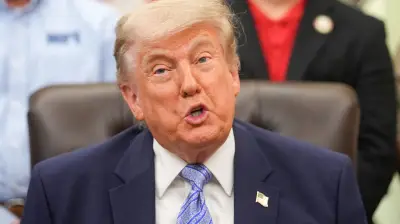
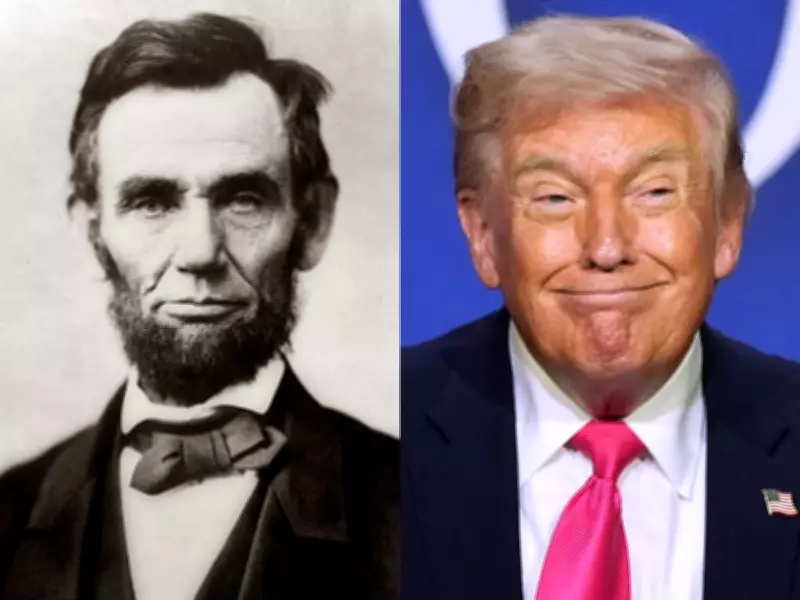
The contrast with Donald Trump could not be more striking. Where Lincoln built careful arguments, Trump has recently launched ad hominem attacks against international figures including Pope Leo XIV and Italian Prime Minister Giorgia Meloni. This pattern represents what Father de Souza describes as "oratorical dyspepsia"—a digestive disorder of speech that has characterized Trump's communication for over a decade.
Lincoln would be both embarrassed and perplexed by this degradation of presidential discourse, according to de Souza. The office that Lincoln ennobled through thoughtful communication has been diminished by Trump's preference for personal attacks over substantive policy discussion.
The Essential Role of Presidential Communication in Wartime
During times of conflict, presidential communication serves several critical functions:
- Preparing citizens for the sacrifices ahead
- Explaining the just cause for which they fight
- Offering confidence in strategic direction
- Providing comfort and consolation for suffering
- Maintaining clarity about war aims and conduct
Trump's approach represents a fundamental failure in these responsibilities. Rather than preparing Americans for the human losses and disruptions of war, he has focused on personal grievances and inflammatory statements.
Remembering Canada's Great Orator: Stephen Lewis
The article also pays tribute to the late Stephen Lewis, remembered as one of Canada's greatest orators. This serves as a reminder that eloquent, thoughtful political communication remains possible, even as it has declined in the American presidency.
The Lincoln Lesson: Excellence from Humble Beginnings
The most powerful lesson from the Lincoln memorial may be this: even from the most humble beginnings—without formal schooling, reading whatever books he could find—a leader can demand excellence of themselves. Lincoln taught himself the law and developed his rhetorical skills through diligent self-education, demonstrating that great leadership requires continuous intellectual and moral development.
As de Souza observes, history moves forward but does not always progress. The decline from Lincoln's thoughtful wartime addresses to Trump's "oratorical dyspepsia" represents a concerning regression in how democratic leaders communicate with their citizens during times of crisis.