Beyond the Horse Race: Who Are the Voters in Terrebonne, Scarborough Southwest, and University—Rosedale?
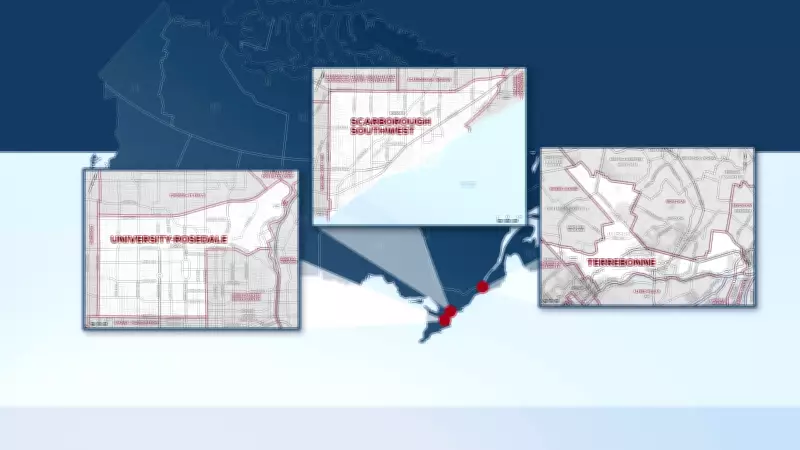
As the federal byelections approach their final ballot counts, three vacant seats have become focal points of national political attention. The ridings of Terrebonne in Quebec, Scarborough Southwest in Ontario, and University—Rosedale in Ontario represent diverse electoral landscapes that could significantly influence the balance of power in Ottawa. This analysis moves beyond mere polling numbers to examine the actual voters who will decide these critical contests.
Terrebonne: Quebec's Political Battleground
The Terrebonne riding presents a fascinating microcosm of Quebec's evolving political identity. Located in the Laurentides region north of Montreal, this constituency blends suburban communities with rural areas, creating a complex voting demographic. Historically, the riding has shifted between federalist and sovereigntist allegiances, making it a bellwether for Quebec's political mood.
Key voter characteristics in Terrebonne include:

- A significant proportion of middle-class families with school-aged children
- Growing immigrant communities, particularly from North Africa and the Middle East
- Strong representation of public sector workers and union members
- Notable environmental consciousness among younger voters
The riding's voters tend to prioritize economic stability, language protection, and healthcare accessibility in their political decision-making. With the Bloc Québécois, Liberals, and Conservatives all actively campaigning here, Terrebonne's outcome could signal broader trends in Quebec's federal politics.
Scarborough Southwest: Toronto's Diverse Crossroads
Scarborough Southwest represents one of Canada's most ethnically diverse ridings, with over half the population identifying as visible minorities. This Toronto constituency encompasses established immigrant neighborhoods alongside newer communities, creating a rich tapestry of political perspectives.
Voter demographics reveal several important patterns:
- High concentration of first-generation immigrants from South Asia, particularly India and Pakistan
- Significant population of working-class families and essential service workers
- Growing number of young professionals attracted by relatively affordable housing
- Strong community organizations and religious institutions that influence civic engagement
Transportation infrastructure, affordable housing, and employment opportunities consistently rank as top concerns among Scarborough Southwest voters. The riding has traditionally leaned Liberal but has shown increasing openness to other parties in recent elections, making it a crucial battleground for urban support.
University—Rosedale: The Academic and Affluent Enclave
University—Rosedale presents a stark contrast to the other two ridings, encompassing both the University of Toronto campus and some of Toronto's most affluent neighborhoods. This creates a unique voter profile that combines academic progressivism with established wealth.
Notable characteristics of University—Rosedale voters include:
- One of Canada's highest concentrations of residents with postgraduate degrees
- Significant population of academics, researchers, and professionals in knowledge-based industries
- Strong environmental and social justice advocacy among both students and permanent residents
- High voter turnout rates, particularly among educated demographics
Climate policy, post-secondary education funding, and urban development issues dominate political discussions in this riding. The presence of both transient student voters and established homeowners creates complex dynamics that campaigns must navigate carefully.
The Broader Political Context
These three byelections occur against a backdrop of potential majority government scenarios for Prime Minister Carney's Liberals. Each riding represents distinct challenges and opportunities for all major parties. The Conservative Party seeks to make inroads in urban centers, while the NDP aims to consolidate progressive support. Meanwhile, the Bloc Québécois focuses on maintaining its Quebec strongholds.

Voter analysis suggests that economic concerns remain paramount across all three ridings, though expressed through different lenses: job security in Scarborough Southwest, economic sovereignty in Terrebonne, and sustainable economic growth in University—Rosedale. Healthcare accessibility, housing affordability, and climate action also feature prominently in voter priorities.
As political strategists analyze these voter profiles, they recognize that successful campaigns must move beyond traditional party messaging to address the specific concerns of each riding's unique demographic composition. The outcomes in these three constituencies will not only fill vacant seats but potentially signal shifting political alignments that could influence federal politics for years to come.