In a significant political move, progressive states across the United States are reigniting campaigns to impose taxes on the wealthy, as economic disparities continue to intensify nationwide. This renewed push aims to target billionaires and high-income earners, with advocates arguing that such measures are essential to fund social programs and reduce the growing wealth gap.
Background and Motivation
The initiative comes amid mounting evidence of deepening inequality, where the richest Americans have seen their fortunes soar while many households struggle with inflation and stagnant wages. States like Washington, California, and New York are leading the charge, proposing legislation that would levy additional taxes on capital gains, inheritances, and ultra-high net worth individuals.
Legislative Efforts and Proposals
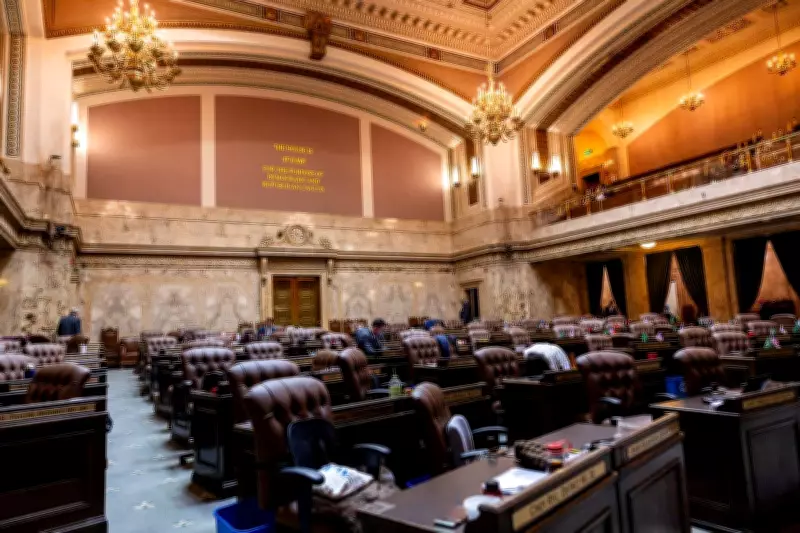
Lawmakers in these states are drafting bills that could include a state-level wealth tax, modeled after proposals at the federal level that have stalled in Congress. For instance, Washington state has been considering a capital gains tax on high earners, while California explores expanding its top marginal income tax rates. Proponents highlight that these taxes could generate billions in revenue for education, healthcare, and infrastructure projects.

Opposition and Challenges
However, the push faces strong opposition from business groups and conservative politicians, who warn that such taxes could drive wealthy residents to relocate to lower-tax states, potentially harming local economies. Legal hurdles also exist, as some proposals may conflict with state constitutions or face court challenges, similar to past attempts at wealth taxation.
Economic Context and Impact
Economic data shows that wealth concentration in the U.S. has reached historic levels, with the top 1% controlling a disproportionate share of assets. Supporters of the tax initiatives argue that this trend undermines social cohesion and economic stability, making progressive taxation a necessary tool for redistribution. Critics, on the other hand, contend that it could stifle investment and innovation, exacerbating economic challenges.
Public Opinion and Political Dynamics
Public opinion polls indicate mixed views on wealth taxes, with many Americans expressing support for making the wealthy pay more, but concerns about implementation and fairness persist. The issue has become a flashpoint in state politics, influencing upcoming elections and shaping debates over fiscal policy and social justice.
Future Outlook
As these legislative efforts advance, they are likely to spark broader discussions about tax reform and inequality in the U.S. If successful, they could set precedents for other states to follow, potentially leading to a patchwork of wealth tax policies across the country. Observers note that the outcome will depend on political will, legal rulings, and economic conditions in the coming years.