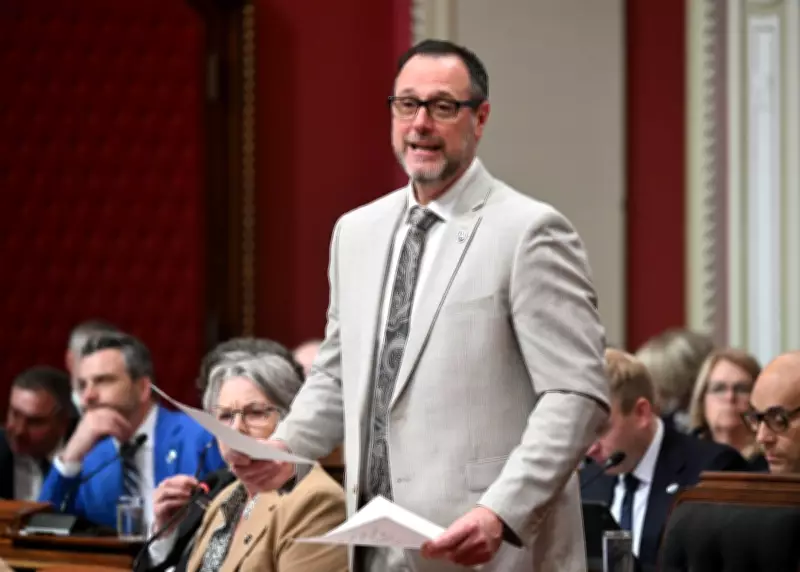
The Quebec government has tabled a bill to increase the number of provincial electoral ridings from 125 to 127, responding to a recent Supreme Court of Canada decision. The legislation, introduced by Minister of the French Language Jean-Francois Roberge, aims to ensure fair representation for English-speaking communities across the province.
Background of the Supreme Court Decision
The Supreme Court ruled earlier this year that Quebec's current electoral map did not adequately represent English-speaking minorities, particularly in regions like Montreal and the Eastern Townships. The court gave the province until 2027 to redraw boundaries and add new ridings to address this imbalance.
Details of the Proposed Bill
The bill proposes creating two additional ridings: one in the Montreal area and one in the Outaouais region. This would bring the total number of seats in the National Assembly to 127. The government has stated that the changes will be implemented before the next provincial election, scheduled for 2028.

Minister Roberge emphasized that the bill respects both the Supreme Court ruling and Quebec's commitment to protecting the French language. "We are ensuring that all Quebecers have fair and effective representation while maintaining the primacy of French in our democracy," he said during the bill's introduction.
Reactions from Political Parties
Opposition parties have expressed cautious support for the bill. The Liberal Party, which represents many English-speaking Quebecers, welcomed the move but called for further consultations with affected communities. The Parti Quebecois criticized the changes as unnecessary, arguing that the current map already provides adequate representation.
Electoral reform advocates have praised the bill as a step toward greater inclusivity. "This is a victory for minority rights and democratic fairness," said a spokesperson for the group Fair Vote Quebec.
Implementation Timeline
The government plans to fast-track the bill through the legislature, with a target for royal assent by the end of 2026. The new ridings would be in effect for the next general election, giving electoral officials time to redraw boundaries and update voter rolls.
This development marks a significant shift in Quebec's electoral landscape, which has been a subject of debate for decades. The Supreme Court's decision and the subsequent bill highlight the ongoing tension between protecting French language and culture and ensuring equitable representation for linguistic minorities.