Russia has intensified its barrage of drone and missile attacks on Ukraine, even as former U.S. President Donald Trump discusses the possibility of peace negotiations. Kyiv, meanwhile, appears emboldened by recent developments, signaling a firm stance against Russian aggression.
Renewed Attacks on Infrastructure
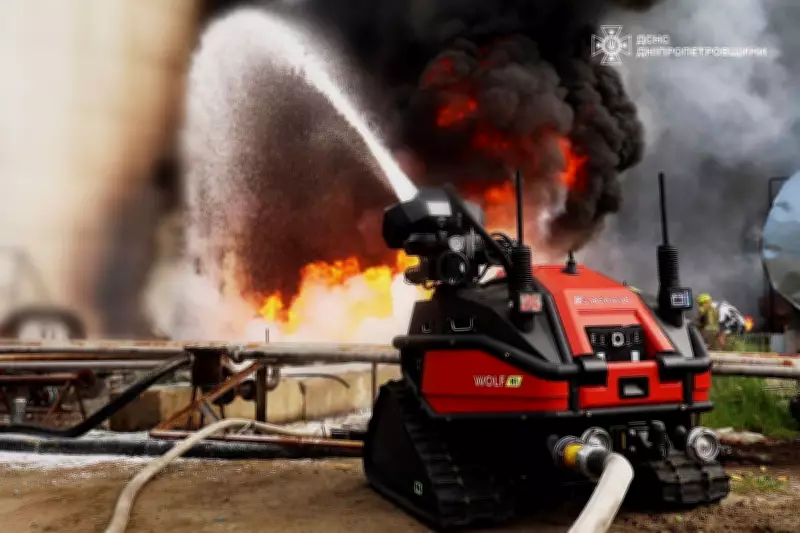
On Wednesday, May 13, 2026, a Russian drone strike targeted a gas pipeline in the Dnipropetrovsk region, sparking a massive fire. Emergency services personnel worked tirelessly to extinguish the flames, as seen in photos released by the Ukrainian Emergency Service. The attack underscores Russia's continued focus on crippling Ukraine's energy infrastructure, a tactic that has been a hallmark of the conflict.
Trump's Peace Overtures
Amid the ongoing violence, former President Donald Trump has reportedly floated the idea of peace talks to end the war. While details of his proposals remain unclear, Trump's involvement has drawn mixed reactions. Some view it as a potential diplomatic breakthrough, while others question the timing and feasibility given the current escalation.

Trump is also set to meet with Chinese President Xi Jinping in Beijing, with the war in Ukraine and rising inflation expected to dominate discussions. This meeting comes as Trump's presidency faces mounting challenges both domestically and internationally.
Kyiv's Resolve Strengthened
Ukrainian officials have expressed renewed confidence in their ability to withstand Russian assaults. The government in Kyiv has emphasized its commitment to defending sovereignty and has called for increased international support. Recent military aid from Western allies has bolstered Ukraine's defenses, enabling more effective countermeasures against Russian strikes.
Despite the ongoing attacks, Ukraine has managed to maintain operational resilience. The country's air defense systems have successfully intercepted a significant number of drones and missiles, though infrastructure damage remains a serious concern.
Broader Context
The conflict continues to have far-reaching implications. In Canada, for instance, the war has influenced political discourse, with some citizens using the national census to protest the majority government of Prime Minister Mark Carney. Additionally, the economic fallout from the war has contributed to rising fuel prices and inflation, affecting non-profit organizations and everyday consumers alike.
Internationally, the war has prompted discussions on energy security, defense spending, and diplomatic engagement. The Atlantic chiefs have called for Indigenous collaboration on offshore wind farm development, highlighting the need for sustainable energy alternatives in the face of geopolitical instability.
Humanitarian Impact
The relentless attacks have taken a heavy toll on civilians. Emergency services in Ukraine are stretched thin, dealing with fires, structural damage, and casualties. The international community has condemned the strikes, with many calling for accountability and a renewed push for peace.
As the war enters its fourth year, the prospects for a negotiated settlement remain uncertain. Trump's peace talks, while generating headlines, have yet to produce tangible results. Meanwhile, Ukraine's emboldened stance suggests that any resolution will require significant concessions from Russia.